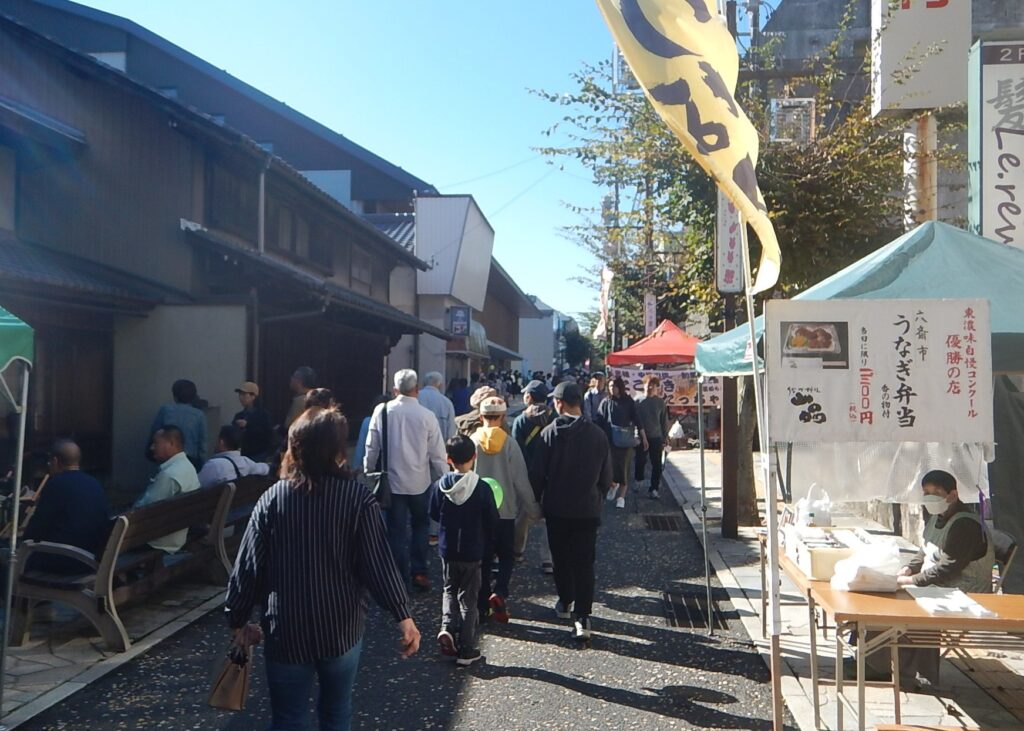
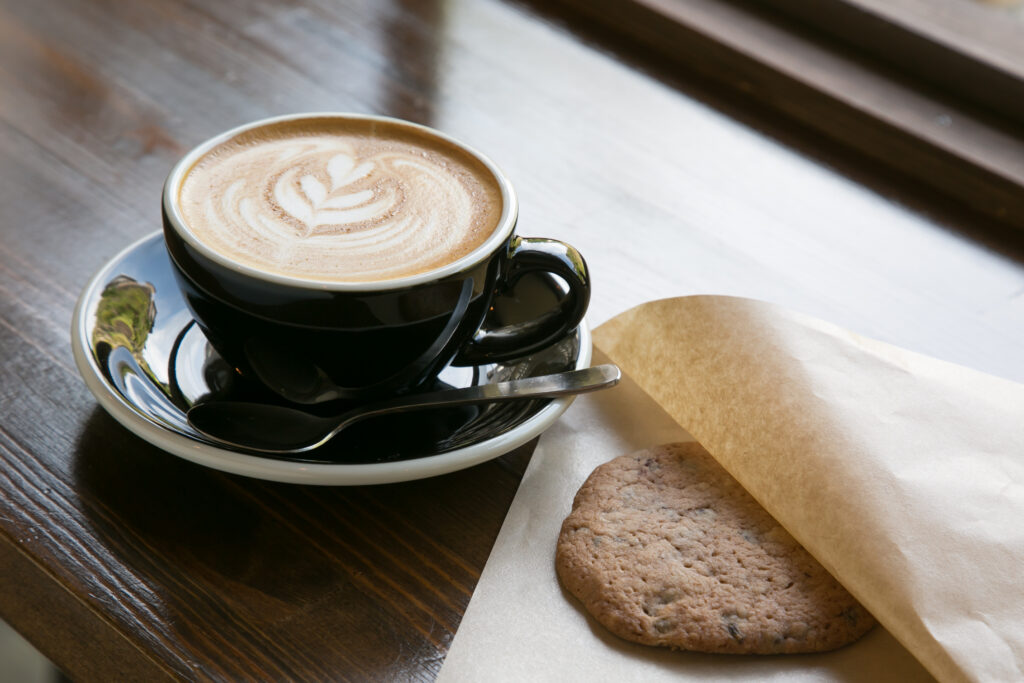
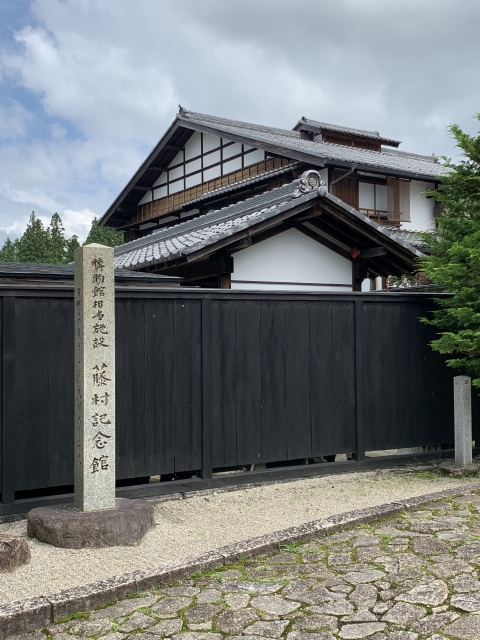
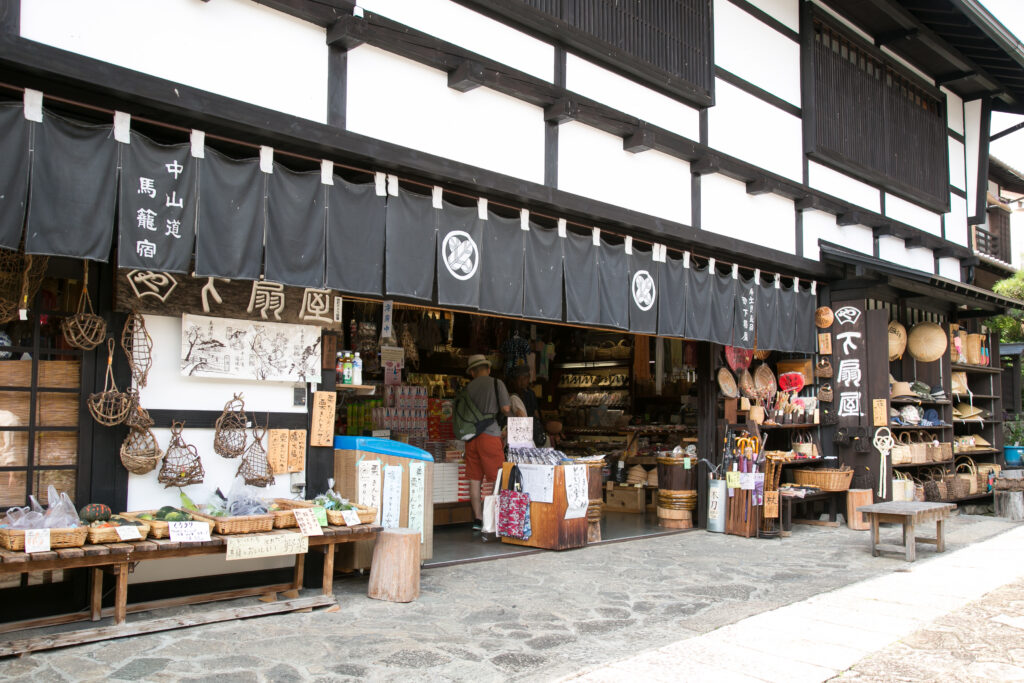
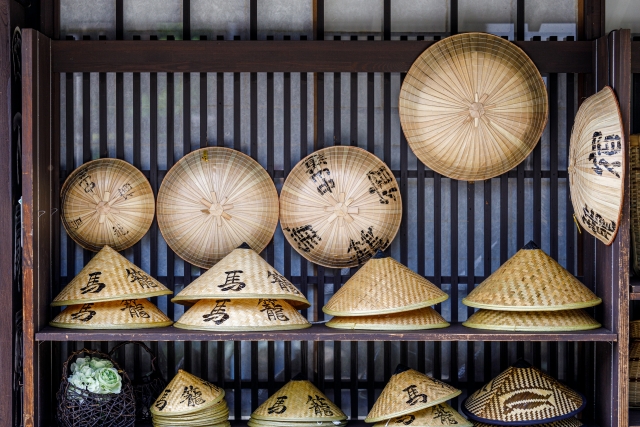
During the Edo period, Nakatsugawa-juku thrived as an important post town and hub for trade. Goods from the Tono region, Kiso, Hida, and Mikawa flowed through the town, attracting merchants and travelers alike. On days with the numbers 3 and 8 each month, a regular market called Rokusai-ichi (六斎市) was held, filling the streets with people and activity.
Today, the tradition continues with the Nakatsudo Nakatsugawa-juku Rokusai Market, held every first Sunday of the month (except January), allowing visitors to experience the lively spirit of the Edo-era marketplace.
📍 Location, Date & Access
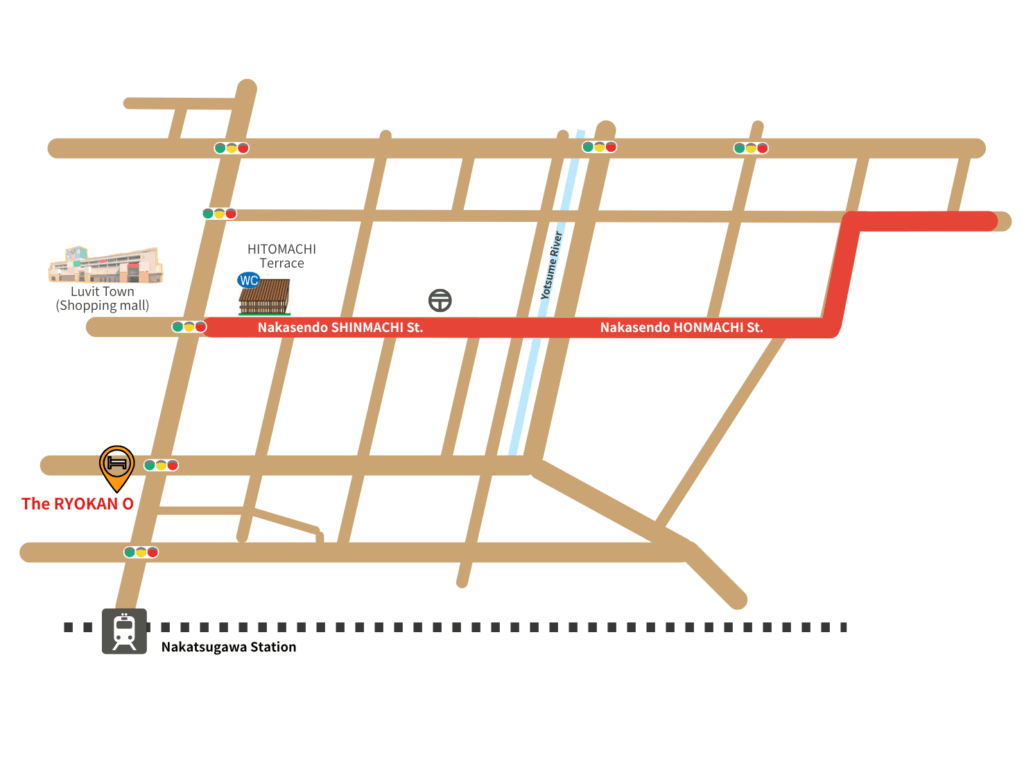
Venue: Shinmachi Street & Honmachi Street
Date & Time: Every first Sunday of the month (except January), 9:30 AM onwards
Access: About a 5-minute walk from JR Nakatsugawa Station
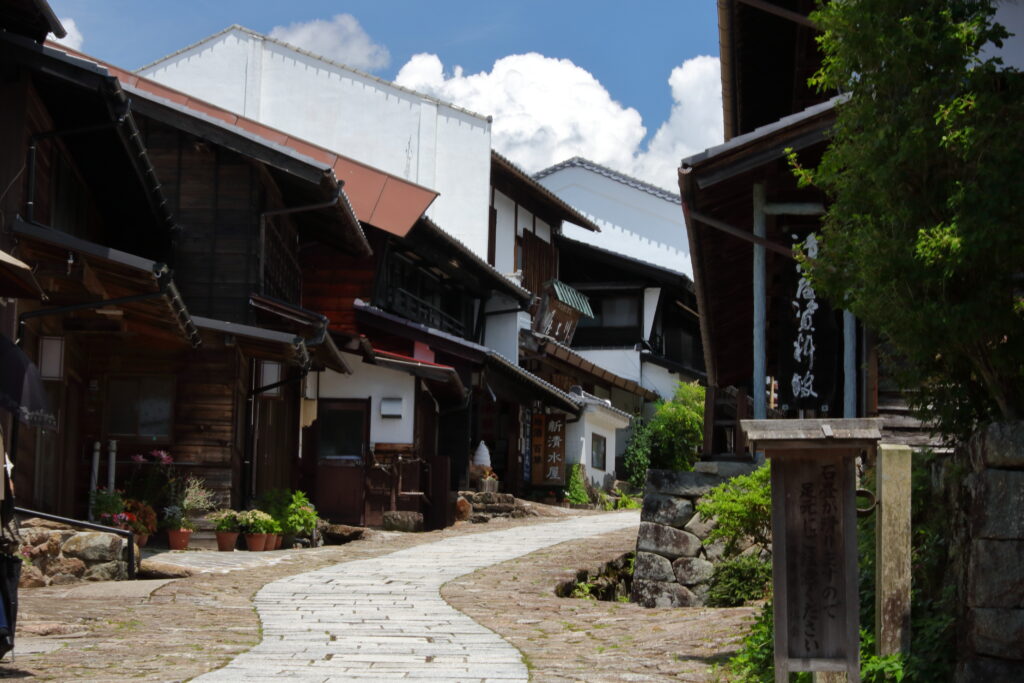
The streets become pedestrian-only on market days, letting visitors stroll freely while exploring the historic post town atmosphere.
🛒 Highlights for Visitors
At Rokusai Market, you can find a wide variety of local specialties, handmade crafts, and seasonal produce. Food stalls and small eateries make it easy to taste Nakatsugawa on the go.
Walkable streets: Easy for families, backpackers, and solo travelers
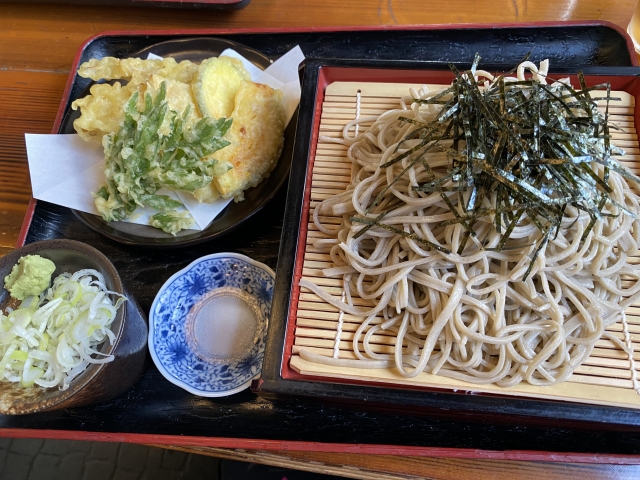
Local flavors: Gohei-mochi, chestnut sweets, soba noodles, and other bite-sized delights
Unique souvenirs: Wooden crafts, pottery, and fabric goods, all locally made
Seasonal events: Workshops and mini performances change throughout the year, offering something new each visit
🏡 Enjoy the Market from The RYOKAN O
Located in the heart of Nakatsugawa, The RYOKAN O is the perfect base for exploring Rokusai Market. Start your day leisurely, stroll the market streets, and enjoy local treats from stalls and shops — a full day of culinary and cultural adventure awaits.
Capture photos of the historic post town streets
Chat with locals while choosing your souvenirs
Discover limited-edition items available only on market days
Visiting on the first Sunday of the month lets you experience the lively energy of a traditional Edo-era post town brought to life today.
💡 Tips for Travelers
Opening hours: 9:30 AM onwards (some stalls may open slightly earlier or later)
Access: 5-minute walk from JR Nakatsugawa Station
Payment: Cash is accepted widely; some shops also accept electronic payments
Photography: Most shops allow photos, but it’s polite to ask before photographing people or products
A Culinary Stroll Through the Historic Post Town with the “Nakatsugawa Restaurant Guidebook”
Autumn is the perfect season to explore Nakatsugawa and the historic streets of Magome-juku. The crisp air, colorful foliage, and quaint townscape make every step a delight. But Nakatsugawa isn’t just about scenic walks — it’s also a hidden gem for food lovers. From sweet chestnut treats to savory miso-glazed rice cakes, the city offers flavors that reflect its rich local culture and history. 😋
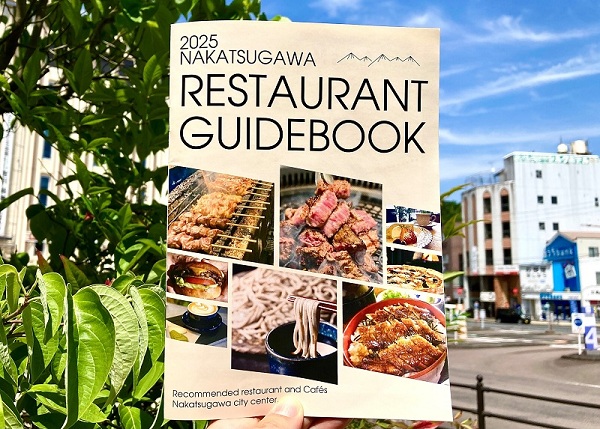
Today, we’ll introduce the “Nakatsugawa Restaurant Guidebook”, an English-language guide that makes discovering local cuisine simple, fun, and authentic.
🍽️ Discover Nakatsugawa’s Local Flavors
Published by the Nakatsugawa Tourism Association, the guidebook features photos, menus, and highlights of restaurants, cafés, and sweet shops across the city. It’s designed to be easy for international visitors to navigate, helping you find must-try dishes and hidden local favorites.
📍 Where to get it: Available at the Nakatsugawa Tourist Information Center (1st floor of Nigiwai Plaza) and nearby accommodations. 🗺️ Digital version: Read it anytime on the Nakatsugawa Tourism Association website. 👉 Nakatsugawa Tourism Association Official Website
☕ Taste, Talk, and Explore
With the guidebook in hand, wander the charming streets at your own pace and discover Nakatsugawa’s signature foods:
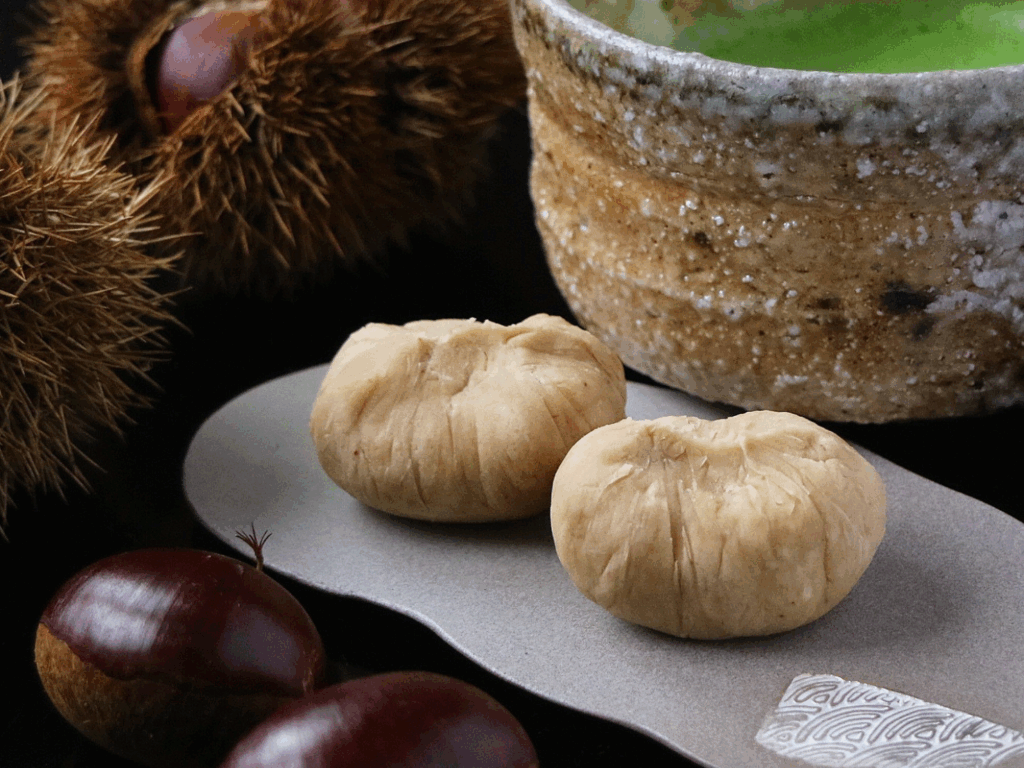
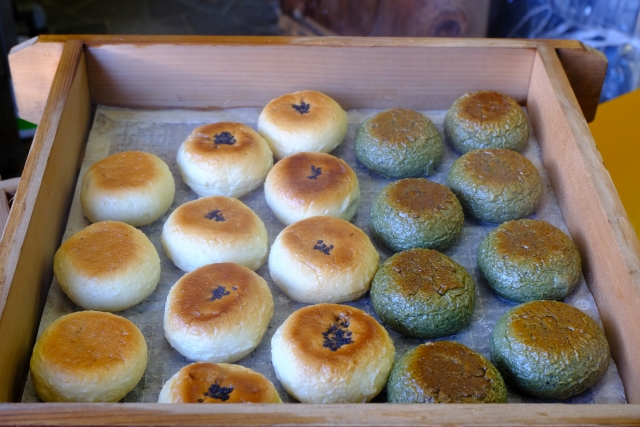
Kurikinton (Chestnut sweets) — a delicate autumn treat made from locally harvested chestnuts.
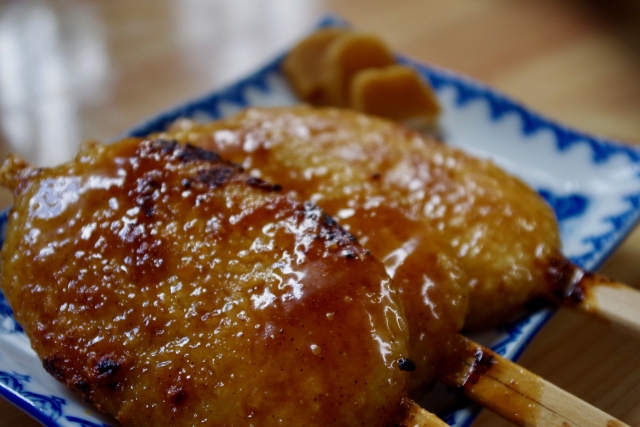
Gohei-mochi — grilled rice skewers coated in savory-sweet miso sauce.
Soba noodles — handmade using pure mountain spring water for a fragrant, chewy bite.
Local cafés and desserts — cozy spots perfect for a relaxing break.
When you find something you love, don’t be shy to say:
“Oishii! (Delicious!)” to the staff
“Osusume wa nan desu ka? (What do you recommend?)” to ask for local favorites If you get a little lost, try asking locals:
“Kono shashin no o-mise wa doko desu ka? (Where is this shop in the photo?)”
These small interactions often lead to warm memories, and sometimes even extra servings of delicious food. 🌰✨
🏡 Start Your Culinary Journey from The RYOKAN O
Nestled in the heart of Nakatsugawa, The RYOKAN O is the perfect base for your food adventures. Grab your guidebook, set out for a day of tasting and exploring, and experience the city through its flavors — from traditional sweets and savory snacks to local specialties that only the area can offer.
With the guidebook in hand and your appetite ready, your Nakatsugawa culinary adventure begins here.
🍂 Introduction: A Quiet Season in the Post Town of the Mountains
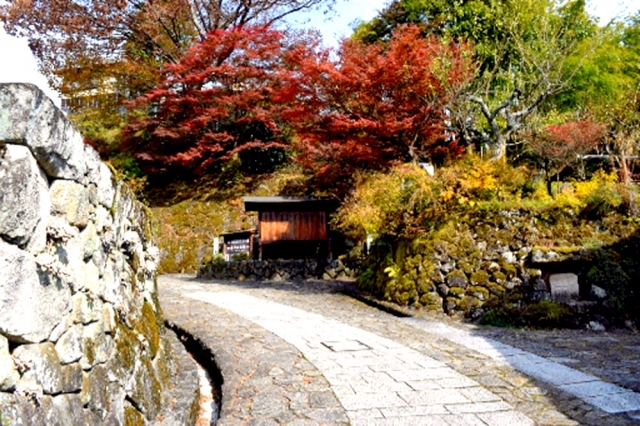
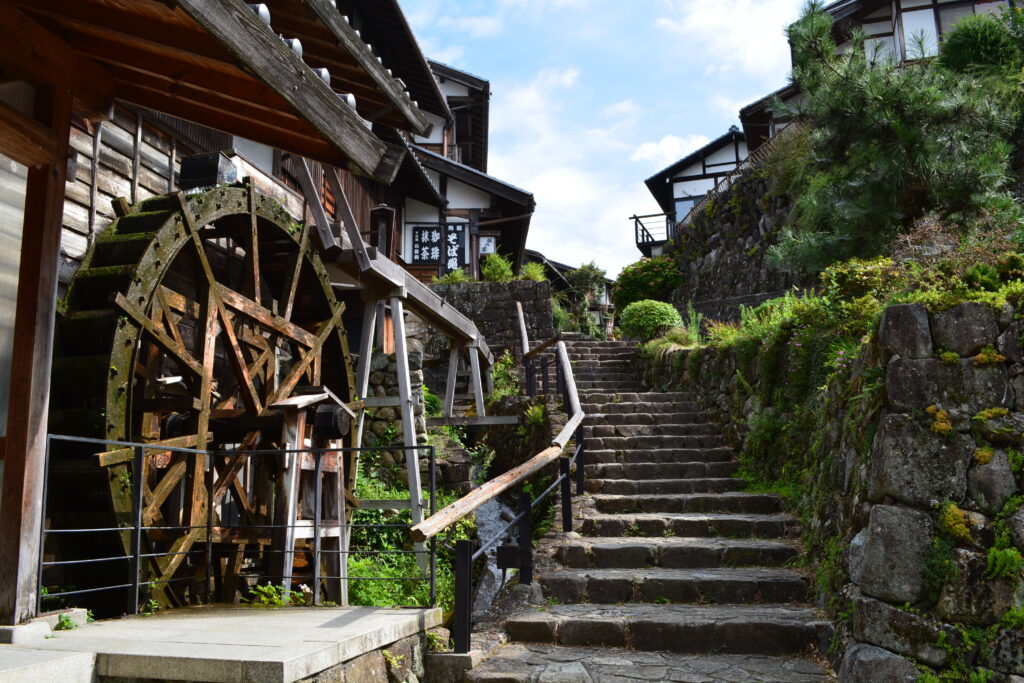
Nestled in the mountains of the Kiso Valley, Magome-juku is one of the most picturesque post towns along the old Nakasendo Trail, once connecting Edo (Tokyo) and Kyoto. As autumn leaves turn crimson and gold, and winter snow gently falls upon the stone-paved slope, Magome reveals its most serene and photogenic side.
Our inn, The RYOKAN O, is located in Nakatsugawa — the gateway to Magome. From Nagoya, it takes about 1 to 1.5 hours by train to Nakatsugawa Station. From there, Magome is roughly a 30-minute bus ride or a 12–20-minute drive. (Please check the latest transportation schedules and fares before traveling.) In this article, we’ll guide you through the best ways to enjoy Magome from autumn to winter, with The RYOKAN O as your base.
🏯 What Is Magome? Walking Through the History of the Nakasendo
Magome-juku was the 43rd post town of the 69 along the Nakasendo Trail. Unlike flat post towns, Magome stretches up a gentle mountain slope, creating a unique, multi-layered townscape.
During the Edo period, travelers and merchants stopped here to rest and exchange goods. The famous novelist Shimazaki Tōson was born in Magome, and his masterpiece Before the Dawn immortalized the town’s spirit. Today, the preserved stone paths and wooden houses let visitors step back into Japan’s feudal past.
🚶 Exploring Magome’s Stone-Paved Streets
The highlight of Magome is undoubtedly its beautiful slope of cobblestone streets lined with traditional houses, tea shops, and souvenir stores.
Magome Observatory – Located mid-slope, this lookout offers stunning views of Mt. Ena and the Kiso Valley.
Masugata Stone Path – A scenic curve in the street, especially beautiful when sunlight filters through in the afternoon.
Magome Honjin Site – The restored former inn for feudal lords. Exhibits showcase historical documents and relics. (Admission fees and hours vary by facility; please check official sites for details.)
🍁 Best time for autumn colors: late October – mid November ❄️ Best time for winter scenery: December – February
🍡 Local Food to Try in Magome
After strolling the slopes, indulge in Magome’s comforting local delicacies.
Gohei mochi – Grilled rice cakes brushed with sweet and savory miso sauce, a beloved regional treat.
Handmade soba noodles – Freshly made with mountain spring water, perfect for a light meal.
Chestnut sweets – Seasonal chestnut treats like kuri kinton and chestnut ice cream are specialties of Nakatsugawa.
Recommended stops:
Kanameya (かなめや) – A cozy Gohei mochi specialty shop known for its irresistible roasted miso aroma.
Magomeya (お食事処 まごめや) – A traditional restaurant serving local soba and seasonal dishes from the Kiso mountains and rivers.
📖 Visit the World of Shimazaki Tōson
Magome is also the birthplace of Shimazaki Tōson, one of Japan’s most influential literary figures. At the Tōson Memorial Museum, visitors can explore exhibits about his life and works, with English explanations available. The adjoining memorial garden offers a peaceful spot to reflect on the writer’s legacy while enjoying the changing seasons.
(Admission fees and opening hours vary; please check the museum’s official website for up-to-date information.)
🏡 From The RYOKAN O: Travel Tips and Access
Our inn is located in Nakatsugawa, just a 12–20 minute drive or about 30 minutes by local bus from Magome. For detailed transportation information, please refer to our previous blog post: “How to Get from Nakatsugawa to Magome.” Bus schedules and fares may vary by season, so it’s best to confirm them through the Nakatsugawa Tourism Association or local bus company websites.
Travel Tips:
Wear comfortable shoes — the cobblestones can be slippery.
Dress warmly in winter.
🥾 Featured Tour: The Tsumago–Magome Walking Trail
One of the most popular experiences among international travelers is the Tsumago to Magome hiking trail. This scenic 8 km route takes about 3 hours and follows part of the original Nakasendo. The well-maintained path passes through forests, small waterfalls, and rural villages — a glimpse into Japan’s countryside life. In autumn, the trail is adorned with brilliant foliage, making it ideal for photography and slow travel.
Guests staying at The RYOKAN O can also arrange transportation or local guidance for this hike.
🌙 Conclusion: Why Autumn and Winter Are the Best Seasons for Magome
Unlike the busier spring and summer months, autumn and winter bring tranquility to Magome. It’s the perfect time to feel the rhythm of an old post town — the scent of wooden houses, the warmth of Gohei mochi, the soft crunch of snow underfoot.Base yourself at The RYOKAN O and take a slow walk through time. Let Magome’s quiet beauty remind you why travel in Japan’s countryside can be so unforgettable.
Magome-juku in Nakatsugawa City, Gifu Prefecture, is a historic post town that flourished as the 43rd station on the 69 stations of the Edo-period Nakasendo trail. This scenic mountain route, also known as the SAMURAI Road where warriors once traveled, preserves the atmosphere of feudal Japan with its stone-paved slopes and traditional Edo-period architecture that transport visitors back in time. Known as the birthplace of renowned author Shimazaki Toson, Magome-juku attracts countless domestic and international visitors throughout the year.
Using The RYOKAN O as your base for exploring Magome offers the perfect combination of convenience and authenticity, located just a 2-minute walk from Nakatsugawa Station. This comprehensive guide provides everything you need to know: detailed bus and taxi information, up-to-date timetables, fares, and our signature luggage storage service – all the essential information for a seamless Magome experience.
The RYOKAN O’s Convenient Luggage Storage Service
Worry-Free Storage Before Check-in!
The RYOKAN O offers complimentary luggage storage for our guests, even before check-in time. This invaluable service allows you to explore Magome’s steep cobblestone streets hands-free, without the burden of heavy luggage, ensuring a comfortable and enjoyable sightseeing experience.
Luggage Storage Service Details: • Front desk hours: 7:30 AM – 10:00 PM (staff may be temporarily absent at times) • Cost: Complimentary for guests • Accepted items: Suitcases, backpacks, souvenirs, and more • Prime location: Just 2 minutes on foot from Nakatsugawa Station
Even if you arrive early in the morning at Nakatsugawa Station, you can start your Magome adventure immediately by dropping off your luggage at our inn first. After returning from your sightseeing, you can check in leisurely, making it the ideal plan for maximizing your day.
Bus Access (Recommended Route)
Comfortable Travel with Kitaena Kotsu Magome Line
The most convenient and economical way to reach Magome-juku is via Kitaena Kotsu’s local bus service. The direct bus route from Nakatsugawa Station takes approximately 25 minutes, offering scenic mountain views during your comfortable journey.
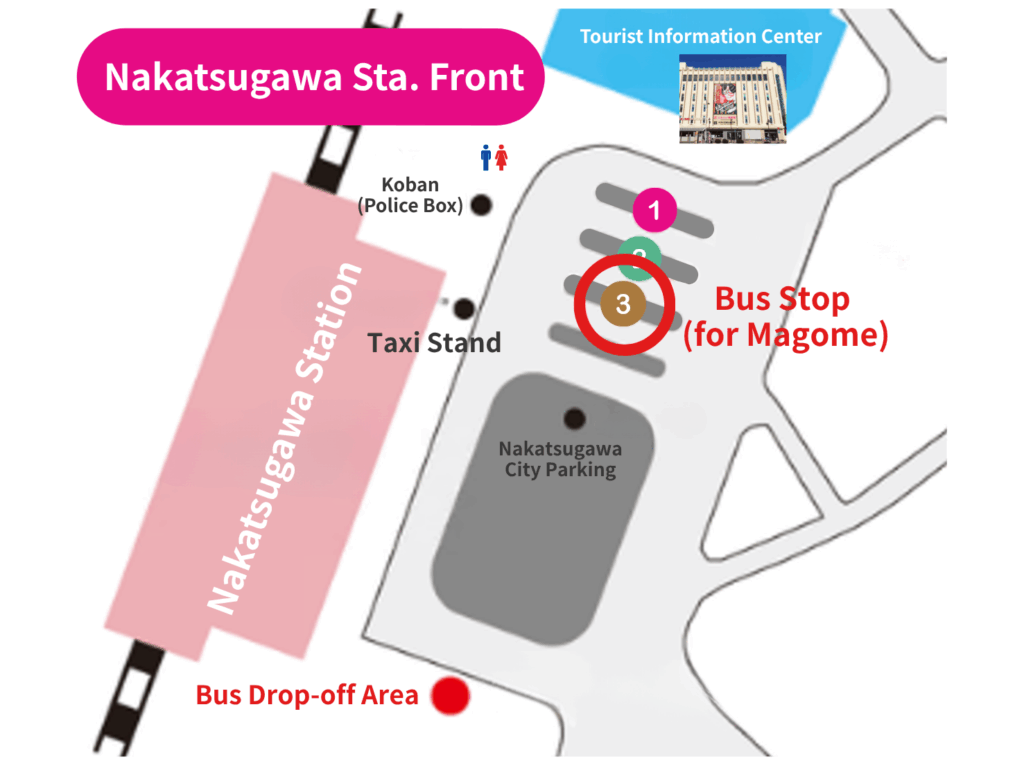
Bus Information: • Operator: Kitaena Kotsu • Route: Magome Line (Nakatsugawa Station → Nakagie → Magome) • Departure point: Platform 3 at Nakatsugawa Station (turn left after exiting the station, in front of Nigiwai Plaza) • Journey time: Approximately 25 minutes • Fare: ¥800 (as of March 2025 revision, fares subject to change)
Latest Timetable (Revised October 1, 2025)
Nakatsugawa Station → Magome (Major Services)
Departure
Arrival
Duration
Operating Days
08:15
08:40
25 min
Daily
09:10
09:35
25 min
Daily
09:55
10:20
25 min
Daily
10:45
11:10
25 min
Daily
11:15
11:40
25 min
Daily
12:15
12:40
25 min
Daily
13:15
13:40
25 min
Daily
14:15
14:40
25 min
Daily
15:15
15:40
25 min
Daily
16:15
16:40
25 min
Daily
Magome → Nakatsugawa Station (Major Services)
Departure
Arrival
Duration
Operating Days
09:45
10:10
25 min
Daily
10:30
10:55
25 min
Daily
11:20
11:45
25 min
Daily
12:50
13:15
25 min
Daily
13:50
14:15
25 min
Daily
14:50
15:15
25 min
Daily
15:50
16:15
25 min
Daily
16:50
17:15
25 min
Daily
18:15
18:40
25 min
Daily
Taxi Access
Perfect for Privacy and Flexibility
For travelers prioritizing schedule flexibility, carrying heavy luggage, or traveling in groups, taxi access to Magome offers the ultimate convenience. Direct service ensures faster arrival times compared to the bus, with no intermediate stops.
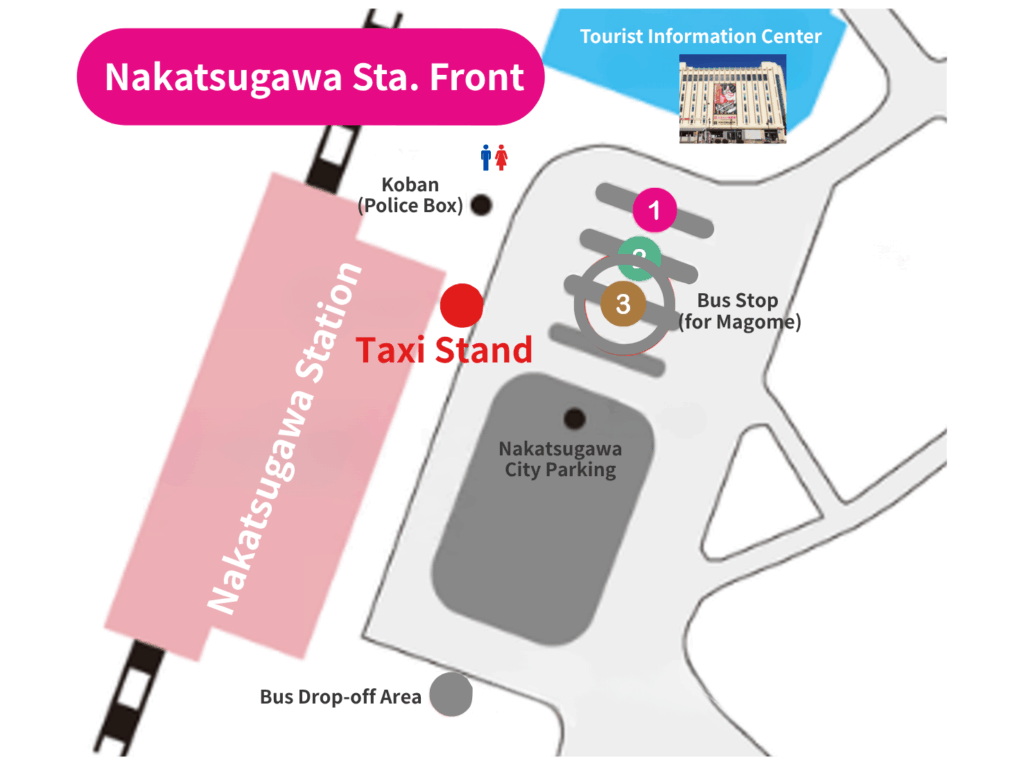
Taxi Information: • Journey time: Approximately 15-20 minutes • Estimated fare: ¥4,200-5,000 • Distance: Approximately 10.1 km • Capacity: Up to 4 passengers • Availability: On-demand service from Nakatsugawa Station
Advantages of Taxi Travel
Complete schedule freedom: Depart at any time without being bound by bus timetables
Luggage convenience: No worries about large or multiple pieces of luggage
Direct service: Fastest route to Magome without stops
Cost-effective for groups: Split among 2-4 passengers, approximately ¥1,000-1,500 per person
Private transportation: Ideal for couples and groups seeking comfort
Fare Notice: Taxi fares may vary depending on time of day, traffic conditions, and vehicle type. The above are estimated fares, so please confirm with the driver before departure.
Important Information & Travel Tips
Please Check Before Traveling
Timetable changes: Bus schedules may change due to seasonal conditions or operational circumstances. Please check the latest information on the Kitaena Kotsu official website (https://kitaena.co.jp/).
Fare revisions: Fares may be revised without prior notice.
Weather conditions: Services may be suspended during severe weather such as heavy snow or typhoons.
Magome Sightseeing Tips
Comfortable footwear essential: Magome features steep stone-paved slopes, so comfortable walking shoes are highly recommended
Time allocation: Plan 2-3 hours for thorough exploration
Tsumago connection: Continue to Tsumago from Magome via Nagiso Town bus (transfer required, approximately 30 minutes)
Souvenir timing: Purchase souvenirs at the end of your visit to avoid carrying them during sightseeing
About Exploring Magome-juku: Our detailed sightseeing guide covering Magome’s highlights, recommended spots, local cuisine, and insider tips will be featured in our next blog post. Stay tuned!
Secure Your Base at The RYOKAN O for Magome Exploration
Book your stay at The RYOKAN O, the perfect access point to Magome-juku, through major booking platforms or our official website. Take full advantage of our luggage storage service for a comfortable, hands-free Magome experience.
An unforgettable journey through Edo-period charm awaits you at Magome-juku.
Conclusion: The RYOKAN O’s Perfect Magome Experience
Basing your Magome exploration at The RYOKAN O combines exceptional station access with our convenient luggage storage service, delivering unparalleled comfort for your journey. Explore the atmospheric cobblestone streets and Edo-period charm of this historic post town without the burden of heavy luggage.
Choose between bus (¥800, 25 minutes) and taxi (approximately ¥4,500, 20 minutes) options to suit your schedule and budget. Our luggage storage service is particularly valuable for early morning arrivals, enabling efficient use of your entire day.
Begin your unforgettable journey along the historic SAMURAI Road (Nakasendo Trail) at Magome-juku from The RYOKAN O.
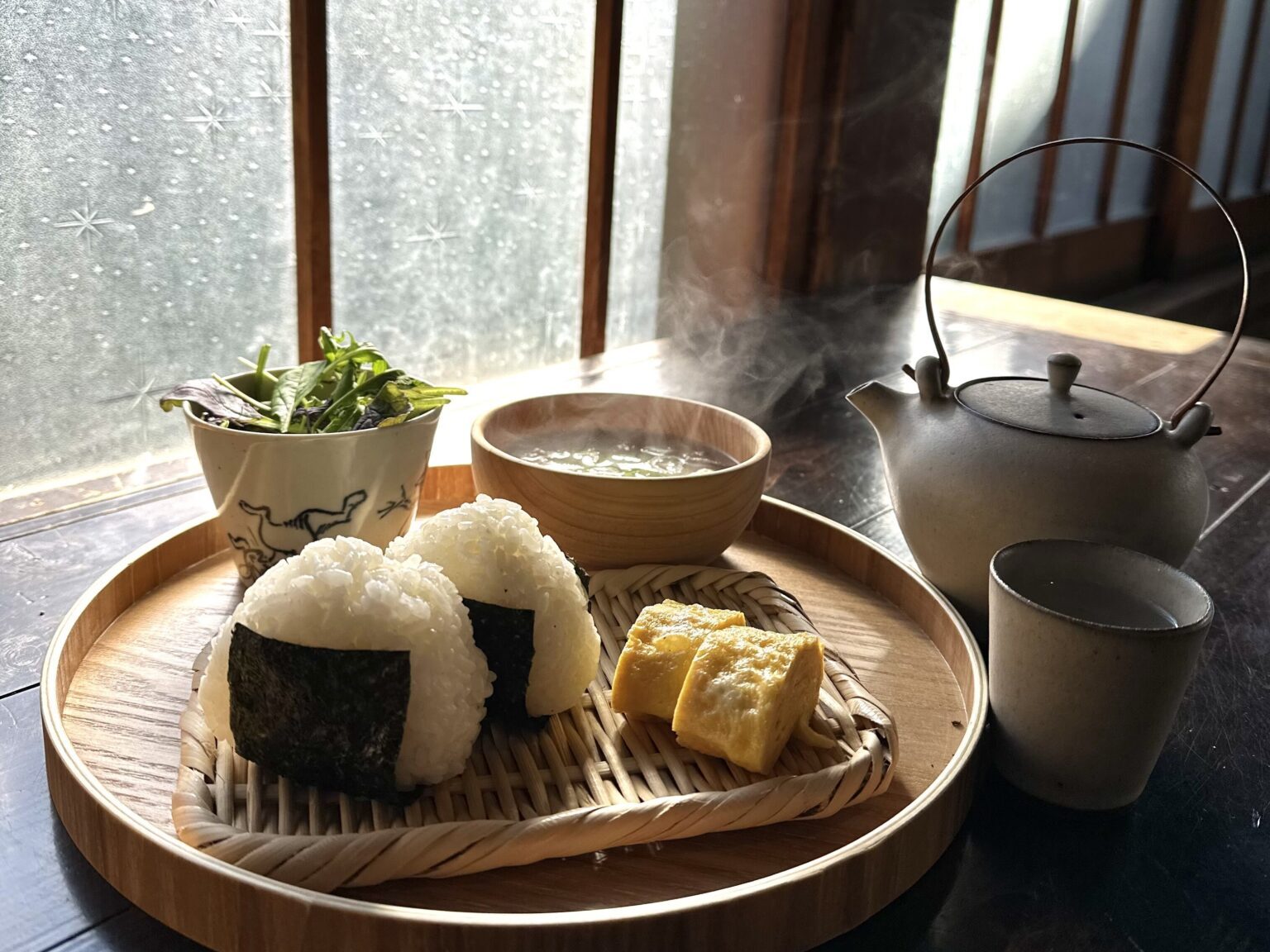
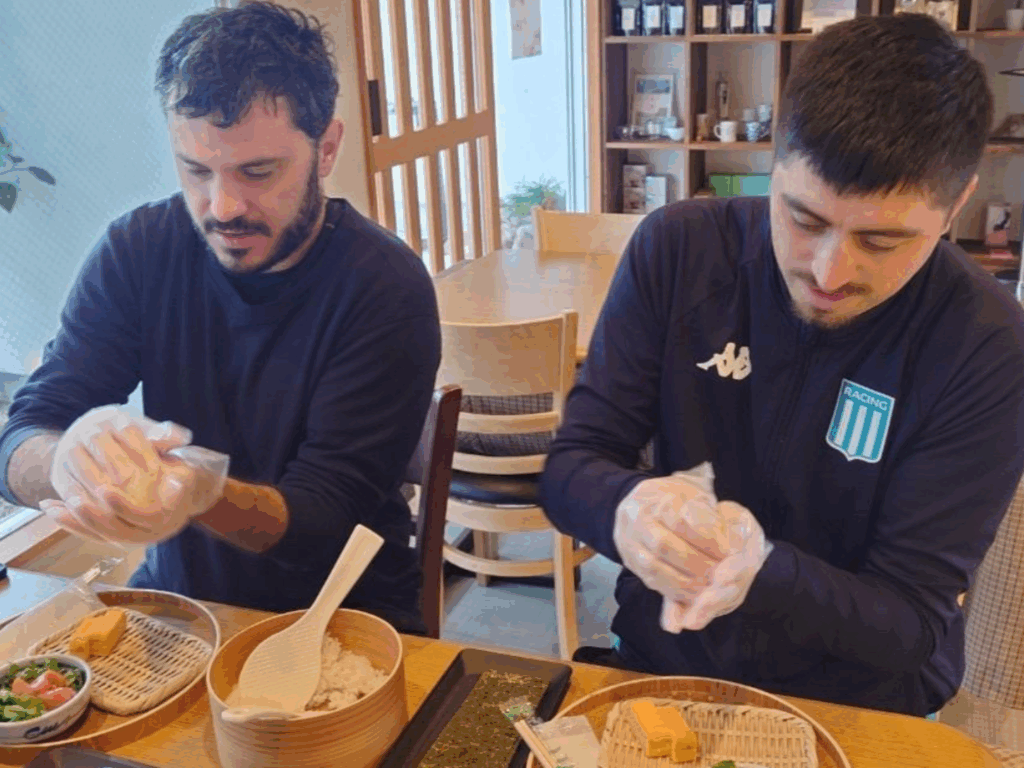
Have you ever wanted to truly experience Japan’s breakfast culture? At The RYOKAN O, we offer our guests a unique breakfast experience—making and enjoying fresh, handmade onigiri (rice balls) with your own hands. This experience goes beyond a simple meal; it’s a precious opportunity to connect with the essence of Japanese food culture.
Why Onigiri is So Special
Onigiri is one of the most beloved and familiar foods for Japanese people. Simple yet filled with the warmth and care of the maker, onigiri has been a companion to Japanese life for centuries. The onigiri-making experience at The RYOKAN O offers you a rare chance to directly feel the heart of Japanese food culture.
The Joy of Creating Your Own Onigiri
The Pleasure of Choosing from Various Ingredients
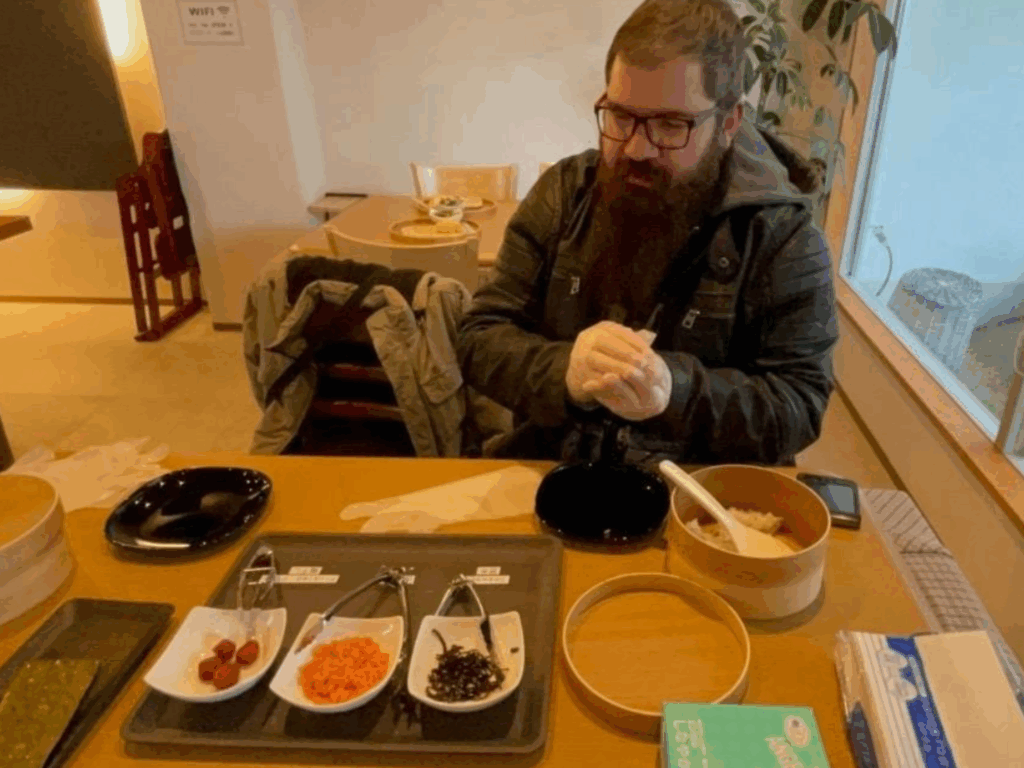
At our establishment, we provide onigiri fillings that Japanese people commonly enjoy, such as kelp (kombu) and pickled plum (umeboshi). Each filling has its distinctive flavor—the deep oceanic taste of kelp, the refreshing tartness of pickled plum—allowing you to choose according to your preferences. Even the time spent deciding which filling to choose becomes an enjoyable part of this experience.
Feeling the Warmth of Handmade Food
The experience of shaping onigiri with your own hands is a special time to feel the warmth of Japanese home cooking. The warmth of rice in your palms, the joy of wrapping the filling, and the sense of accomplishment when it’s complete—all of these become unforgettable morning memories.
A Fun Experience for the Whole Family
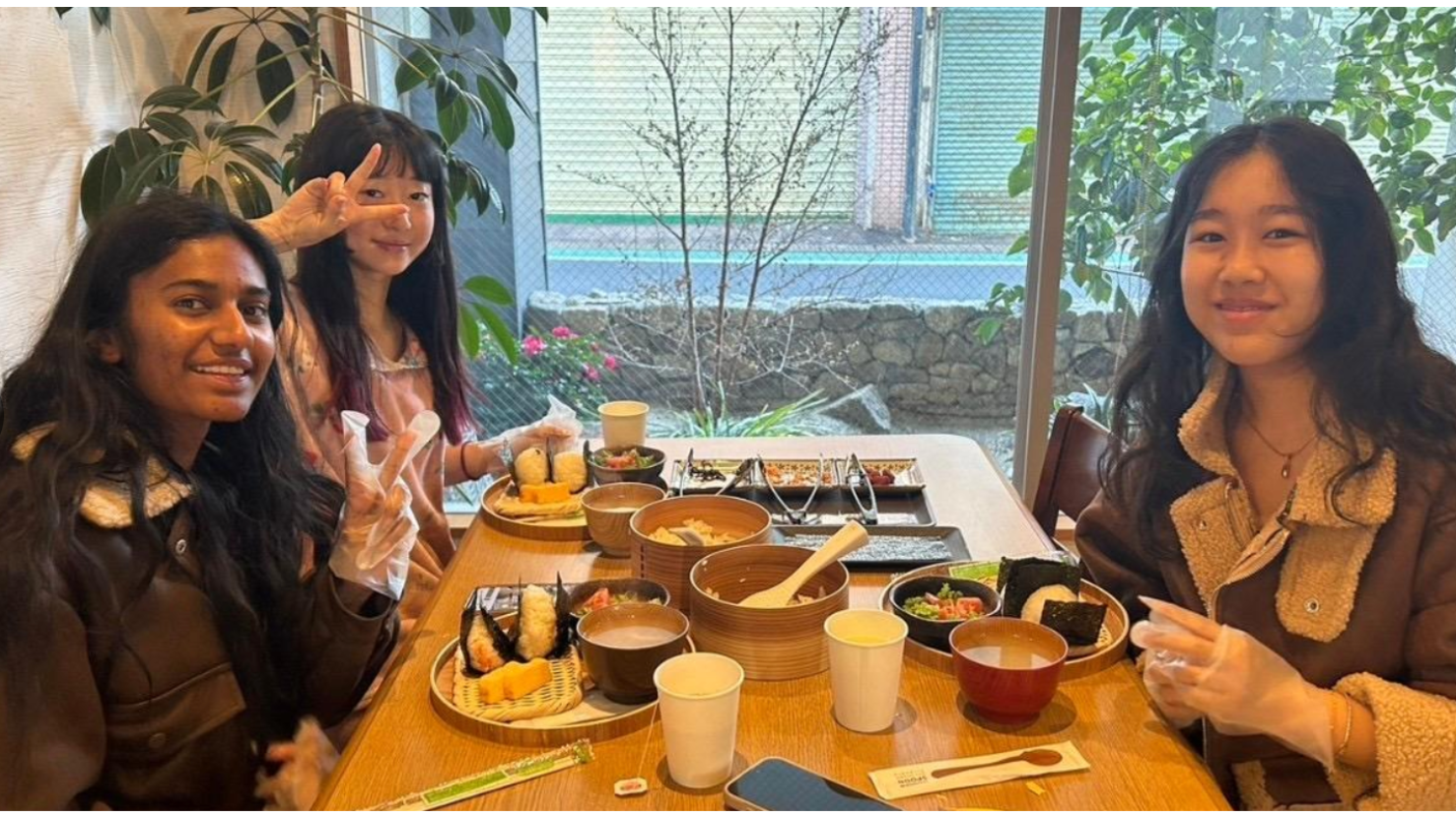
Onigiri making is extremely popular with children as well. We’ve designed the experience so that even small children can participate safely, allowing the entire family to enjoy creating breakfast together. The serious expressions on children’s faces and their delighted smiles when they complete their onigiri will surely become special memories for your family.
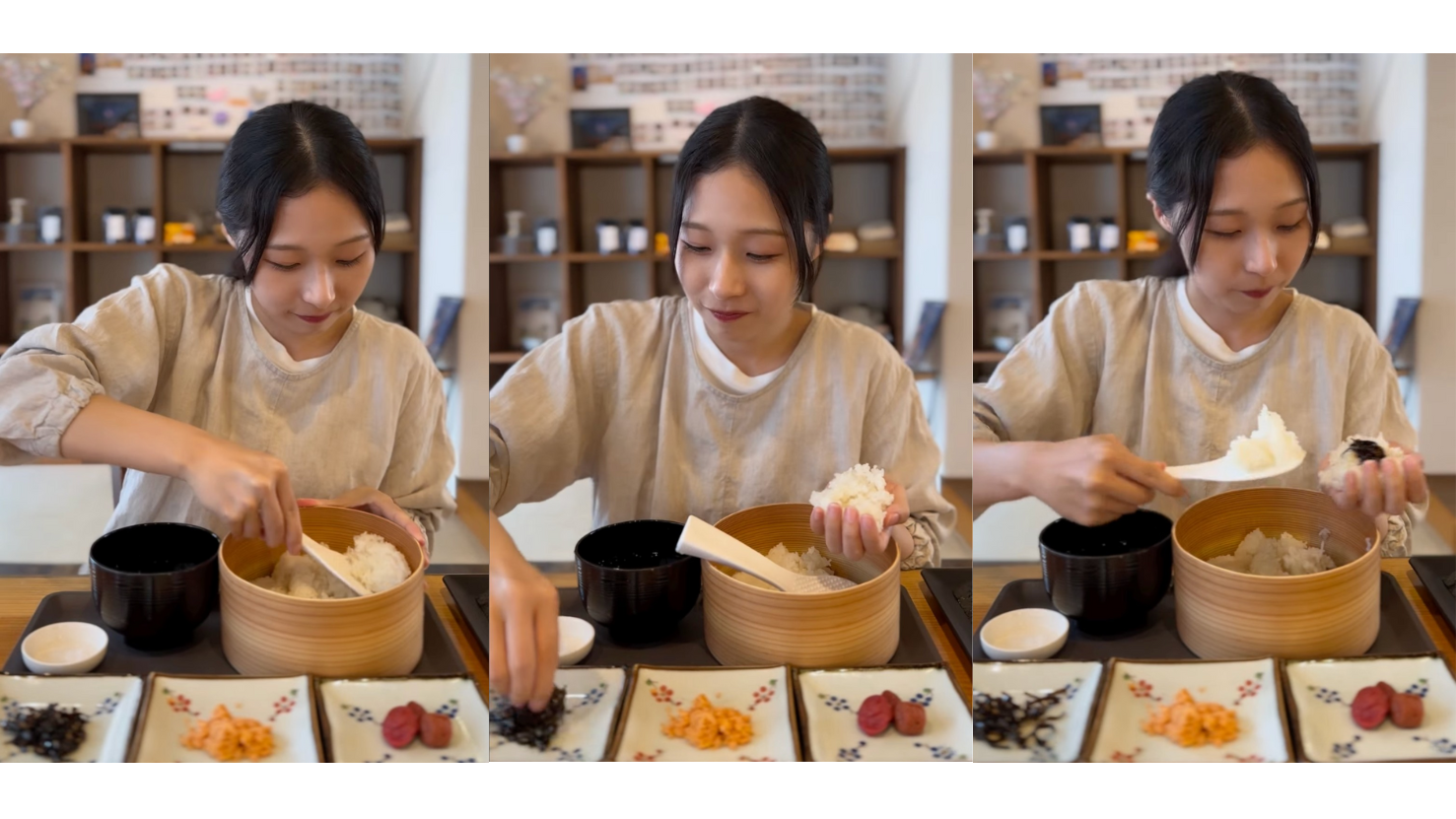
Onigiri Making Steps: 7 Easy and Fun Steps
At our establishment, we provide clear instructions so that even first-time participants can enjoy making onigiri with confidence:
Step 1: Wet Your Hands
First, thoroughly wet your hands. This important preparation prevents rice grains from sticking to your hands.
Step 2: Add Flavor with Salt
Lightly rub salt on your palms. This salt gives the onigiri a subtle flavor throughout and improves preservation.
Step 3: Place Rice in Your Palm
Put an appropriate amount of rice in your palm. The warmth of the rice at this moment is part of the charm of handmade food.
Step 4: Place Your Chosen Filling in the Center
Put your selected filling in the center of the rice. Enjoy the unique characteristics of each filling—the aroma of kelp, the color of pickled plum.
Step 5: Wrap the Filling
Add more rice to cover the filling completely. When the filling is properly wrapped, it creates a well-balanced flavor.
Step 6: Shape into a Triangle
Gently roll between both palms to form a beautiful triangle. This step requires the most technique and provides the greatest sense of achievement.
Step 7: Finish with Seaweed
Finally, wrap with nori (seaweed) to complete. The fragrant aroma of nori enhances the deliciousness of the onigiri even more.
Hygiene Considerations
At our establishment, we prioritize hygiene in the onigiri-making experience above all else. We provide vinyl gloves for the preparation process, so you can enjoy the experience with complete peace of mind. In our clean and safe environment, you can wholeheartedly experience Japanese food culture.
Experience Details and Reservation Information
Schedule and Pricing
Experience Time: 7:30 AM – 10:00 AM
Price: ¥2,000
Experience Content: Hands-on onigiri making experience (available upon request)
How to Make a Reservation
Reservation Deadline: By 12:00 PM the day before Inquiries: theryokano@gmail.com
Reservation Process:
Submit your reservation request
You will receive an automatic tentative reservation confirmation email
Within 3 business days, staff will contact you with final confirmation
Reservation is complete when you receive the final confirmation email from staff
*Please note: Your reservation is NOT complete until you receive the final confirmation email from our staff.
Handmade onigiri breakfast offers special attractions that typical hotel breakfasts cannot provide:
Fresh Deliciousness
Freshly made onigiri has rice where every grain is alive, and the fillings can be enjoyed at their peak flavor.
Value as a Cultural Experience
Rather than simply eating a meal, this is a precious experience where you can physically feel Japan’s traditional food culture.
A Unique Breakfast Experience
The onigiri you make yourself is a one-of-a-kind original in the world, reflecting your mood and preferences for that particular day, making it a truly special breakfast.
A Special Time Only Available at The RYOKAN O
This handmade onigiri breakfast experience is an important element of The RYOKAN O’s cherished concept of “a lodging to deeply enjoy Nakatsugawa travel.” You can directly experience the essence of culture that lives within Japanese daily life—something you cannot obtain merely by touring tourist sites.
In the quiet morning hours, making onigiri with your own hands and tasting the fresh results—within this seemingly simple act lies the essence of the culture Japanese people have treasured: “putting your heart into what you make.” This is why staying at The RYOKAN O becomes a deep cultural experience that goes beyond mere accommodation.
Conclusion
The handmade onigiri breakfast at The RYOKAN O is a special experience that connects you with the heart of Japanese culture. Through the simple yet profound art of onigiri making, you can feel the essence of Japanese food culture. We hope you’ll enjoy this special breakfast experience to make your stay in Nakatsugawa richer and more memorable.
The onigiri created by your own hands will beautifully color the beginning of your wonderful day in Nakatsugawa. If you would like to enjoy this special experience, please make your reservation by 12:00 PM the day before. For detailed information and reservations, please visit our dedicated page.We also share glimpses of our “handmade onigiri breakfast” experience on Instagram, so please be sure to check it out.
For modern travelers, choosing accommodation greatly influences travel satisfaction. At our inn, we preserve the charm of traditional Japanese ryokan while providing comfort for today’s guests. Today, we’ll introduce our rooms and services in detail.
Clean and Beautiful Tatami Spaces
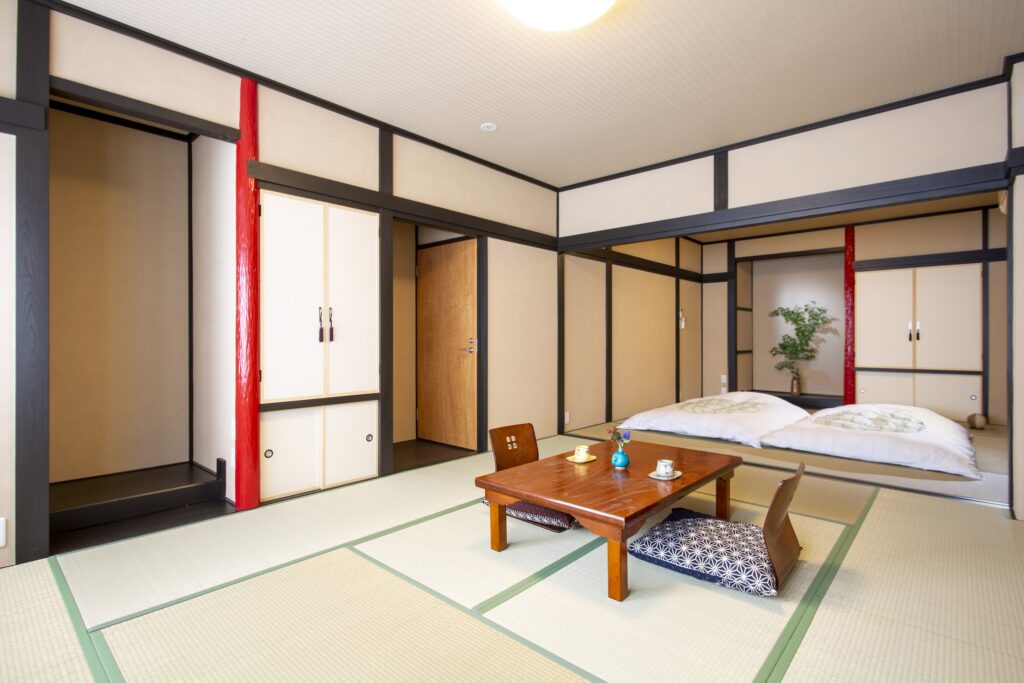
All guest rooms feature traditional tatami flooring. In these tatami spaces, guests can fully enjoy authentic Japanese atmosphere. Moreover, families with small children can stay with complete peace of mind. The soft tatami allows children to move around the room safely.
Our second and third floors serve as accommodation areas. These floors maintain a no-shoes policy throughout. We provide dedicated slippers for all guests. Therefore, the floors remain exceptionally clean at all times.
Safe and Comfortable Shower Facilities
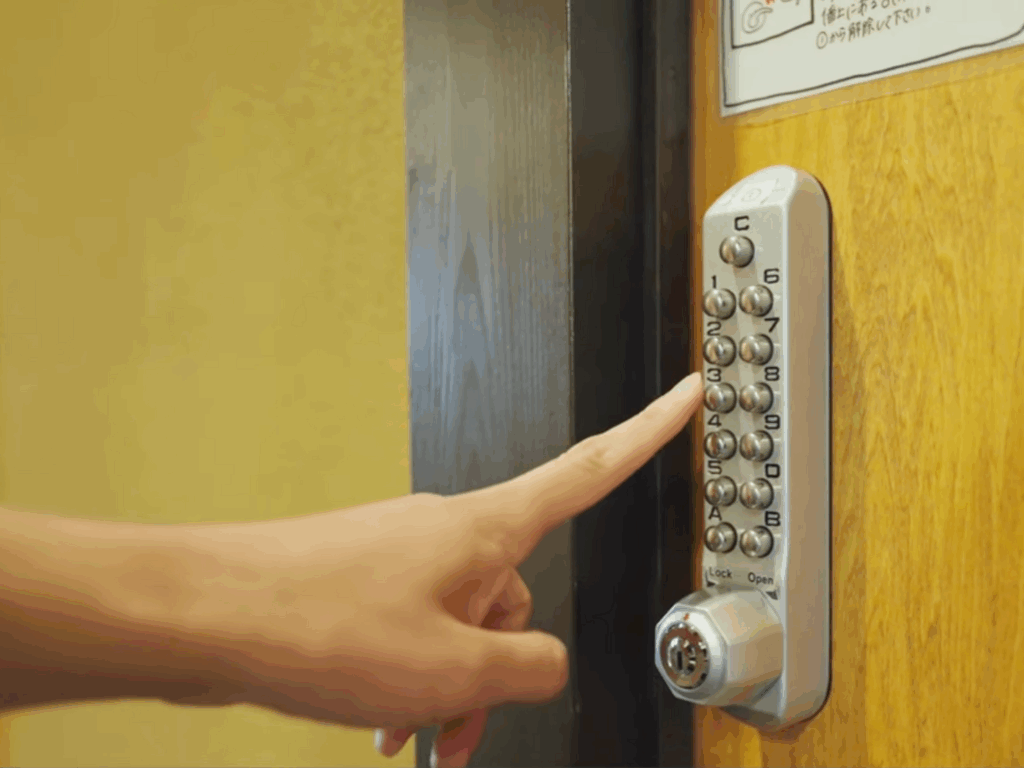
Guest rooms don’t include private showers. However, we provide well-maintained shared shower rooms. The women’s shower room features a secure lock system. Therefore, guests who value privacy can use the facilities with confidence.
Our clean and comfortable shower rooms help wash away the day’s fatigue. Additionally, the shower rooms offer ample space for a relaxing experience.
Comprehensive Rental Services
To enhance your Japanese cultural experience, we offer yukata rental services. This is a paid service that provides authentic yukata experiences. Furthermore, we also rent voltage converters for international guests.
If you have questions about these services or specific requests, please feel free to ask. Our staff will provide detailed guidance with pleasure.
Complimentary Beverage Services
We offer complimentary coffee and tea throughout your stay. You can enjoy hot beverages whenever you desire. Please relax with the aroma of Japanese tea and take peaceful moments.
Additionally, we sometimes prepare seasonal teas as well. Enjoy tranquil tea time while feeling Japan’s four seasons.
Health-Conscious Smoke-Free Environment
We prioritize guest health and comfort with our completely smoke-free policy. You can relax in clean, fresh air throughout your stay. This also creates a safe environment for families with children.
For guests who smoke, we can direct you to designated outdoor areas. We apologize for any inconvenience and appreciate your understanding and cooperation.
Experiencing Japanese “Omotenashi” Hospitality
At our inn, guests experience more than just accommodation. Instead, we offer a place to truly experience Japanese culture. Time spent on tatami, wearing yukata, savoring Japanese tea. All these moments create special travel memories.
Please enjoy your special time at our inn. Here, traditional Japanese hospitality meets modern comfort. We look forward to welcoming you wholeheartedly.
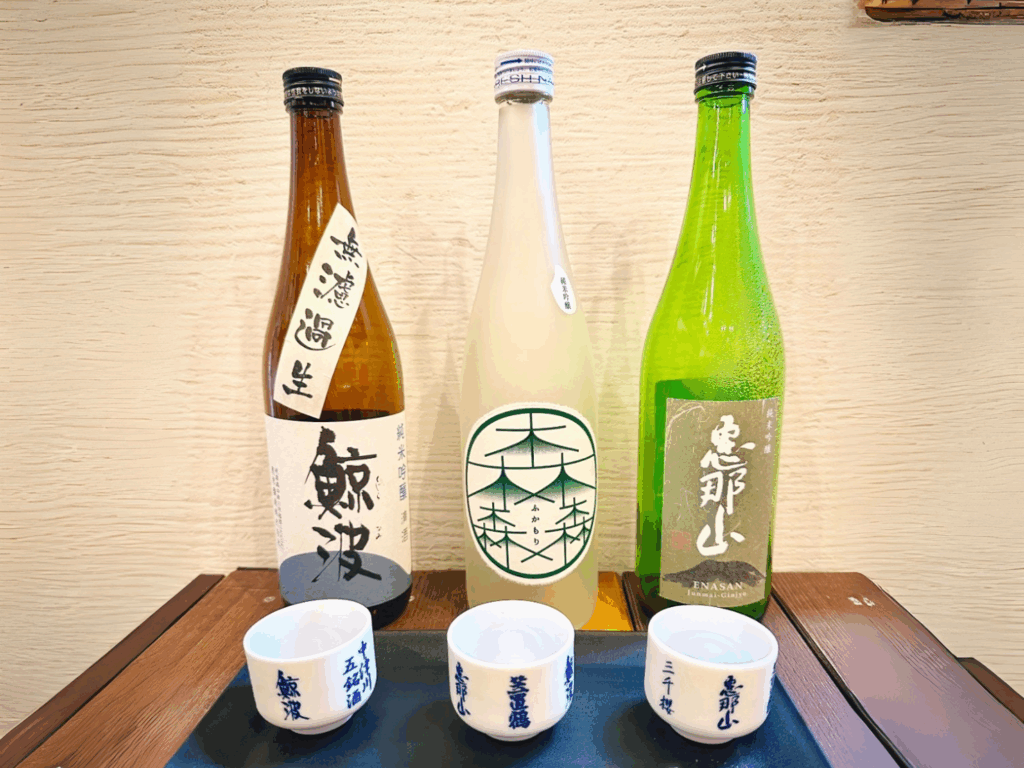
For international visitors to Japan, sake is more than just a beverage. It represents an opportunity to taste Japanese culture itself. Recently, we had the pleasure of hosting guests from Denmark for a sake tasting experience at our first-floor café & bar. Allow us to share this heartwarming moment of cultural exchange.
Cross-Border Interest in Japanese Sake
Interest in Japanese sake has been growing overseas, particularly through “sake brewery tourism,” which offers cultural experiences that go beyond simple sightseeing. According to data, 30.2% of foreign tourists expect to drink Japanese sake before visiting Japan, while 45.8% actually experience it during their stay.
Our guests from Denmark also showed great interest in Japanese sake. For us, it was a precious opportunity to share Japan’s traditional culture. Therefore, we proposed a game-style sake tasting experience to make it even more enjoyable for them.
International Exchange Through Sake Tasting Games
We suggested a game-format sake tasting experience. First, we had our guests try one particular Japanese sake. Then, they tasted three different sakes and tried to identify which one was the same as the first one they had tasted.
Our guests participated earnestly and with great enjoyment. As they savored each sake, our conversations became more animated and lively.
For Westerners, the delicate and diverse flavors of Japanese sake offer fresh surprises. We were impressed by how seriously and enthusiastically they tried to appreciate each unique characteristic.
The Appeal of Local Sake ~Nakatsugawa’s Breweries~
The local sakes we serve at our inn are premium brands from proud breweries in the Nakatsugawa region. Each brewery has its own distinctive character and brewing philosophy.
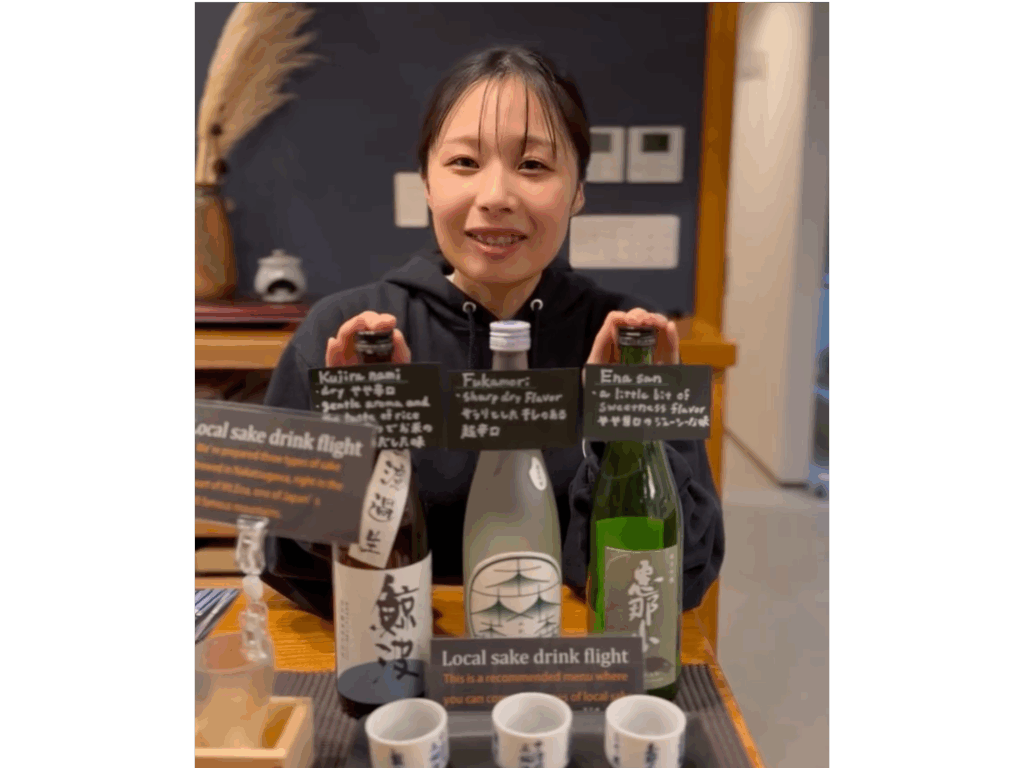
Hazama Shuzo, which brews “Enasan,” is known as a junmai brewery that uses underground water from Mount Ena. Meanwhile, Ena Jozo, which produces “Kujiranami,” dedicates itself to sake brewing at an altitude of 600 meters in the deep mountains, working alongside clear, pure water.
“Sweet Sake is the Best!” ~Our Guests’ Discovery~
Throughout the tasting process, our guests shared various impressions. Using English expressions like “Sharp” and “Sweetness,” they were able to enjoy the diversity of Japanese sake.
In the end, what our guests liked most was the sweet sake. When they smiled and said, “Sweet sake is the best!” that expression still remains in my heart.
Local Sake Experience at Our First-Floor Café & Bar
At our first-floor café & bar, we offer a carefully selected variety of local sakes. Guests can enjoy premium brands lovingly crafted by local Nakatsugawa breweries in a relaxed atmosphere.
Like our guests from Denmark, seeing visitors discover new things and connect with Japanese culture through sake tasting experiences brings us tremendous joy.
A Cup of Sake That Connects Cultures
A single cup of sake becomes a bridge connecting people across differences in language and culture. Being able to witness such moments is our greatest happiness.
Please come and enjoy comparing local sakes at our first-floor café & bar. Experience the deliciousness of local sake and discover your personal favorite. You’re sure to feel the rich nature of Nakatsugawa and the warm hearts of the brewers through each sip.
For more glimpses of our wonderful sake tasting moments with guests from Denmark, please visit our Instagram page!
What is Ji-Kabuki? How is it Different from Professional Kabuki?
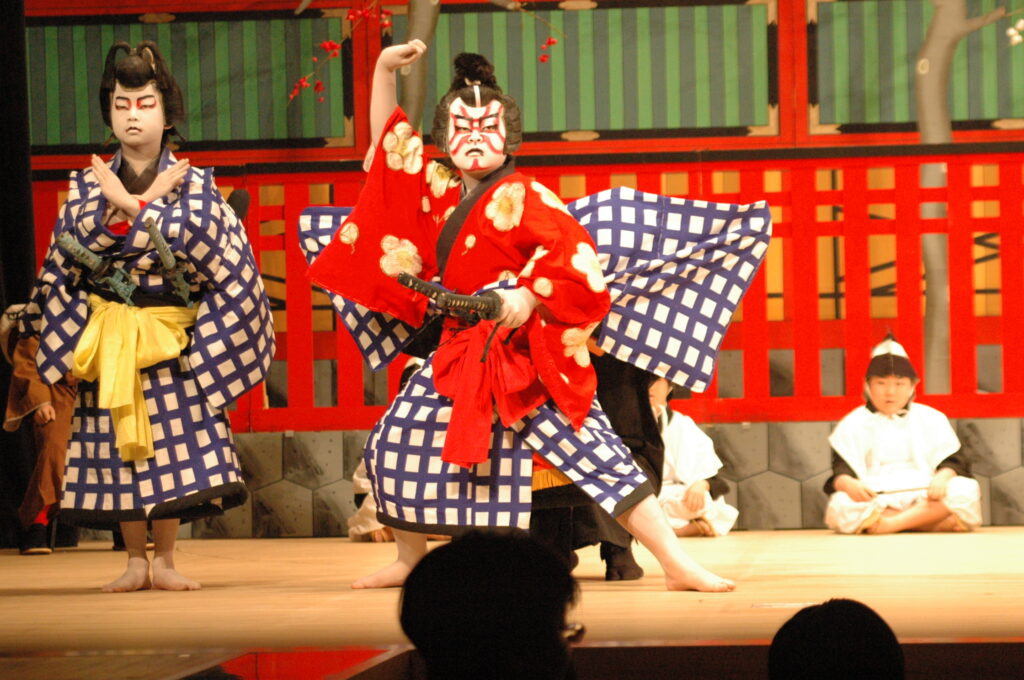
Ji-kabuki refers to kabuki performed by local actors, deeply rooted in regional communities. Moreover, it emerged as kabuki, which originated from “kabuki odori” started by Izumo no Okuni 400 years ago, spread from major cities to rural areas during the Edo period.
Local people who admired professional actors became unsatisfied with merely watching performances and began performing themselves for their own enjoyment—this marked the beginning of ji-kabuki. Furthermore, currently over 200 groups nationwide are engaged in preservation activities, with more than 30 groups concentrated in Gifu Prefecture. Additionally, Nakatsugawa City is home to 6 preservation societies and 3 traditional theater buildings, along with a modern kabuki hall, making it truly the “number one region for ji-kabuki” in Japan.
Why Did Ji-Kabuki Flourish in Nakatsugawa?
The reason ji-kabuki became so popular in Nakatsugawa lies in its position as a crucial transportation hub where the Nakasendo and other major highways intersected, facilitating the flow of people, goods, and culture. Moreover, as an important location for the domain due to its high-quality timber production, rural entertainment was officially sanctioned.
Furthermore, the Tono region historically had many independent farmers, and their strong cultural aspirations led them to build their own theaters and perform kabuki themselves. Additionally, the fact that many choreographers and costumes remained during post-war reconstruction became a major factor in preserving ji-kabuki to the present day.
The Thrill of Ji-Kabuki – A World of Excitement Where Audiences Participate
The greatest attraction of ji-kabuki is the enthusiastic atmosphere created jointly by the audience and performers on stage. Moreover, vigorous cheers fly from the audience, and numerous “ohineri” (money wrapped in paper) are thrown onto the stage to enhance the performance.
“Omuko” calls involve shouting “Nippon-ichi!” (Number one in Japan!) the moment actors strike a dramatic pose, adding even more energy to the performance. Furthermore, while general audiences cannot call out during professional performances, active participation is welcomed in ji-kabuki.
“Ohineri” involves throwing small coins wrapped in paper at the actors’ feet—a unique演出 specific to ji-kabuki. Moreover, this spectacle resembles flowers blooming on stage, which is why it’s also called “hana” (flowers), with audiences playing an important role in decorating the stage.
2025 Ji-Kabuki Performance Schedule
Nakatsugawa’s ji-kabuki features various performances scheduled throughout the year:
Regular Performances
July 13 (Sunday): The 73rd Tono Kabuki Nakatsugawa Preservation Society Kichireiukabuki Festival (Higashimino Fureai Center Kabuki Hall)
October 26 (Sunday): The 32nd Hida-Mino Kabuki Festival Toki 2025
Special Event! “Hito-Machi Terrace” Ji-Kabuki Mini Performance
This year, special mini performances where you can casually enjoy ji-kabuki will be held at “Hito-Machi Terrace,” within walking distance of our inn:
Performance Dates:
September 27 (Saturday)
October 4 (Saturday)
October 11 (Saturday)
October 12 (Sunday)
Each day: 8:00 PM start (7:30 PM doors open)
Special Attractions:
Approximately 1 hour of convenient performance time
English translation and interpretation available for international tourists
Local sake tasting while watching (additional fee)
Photo booth and ji-kabuki exhibition corner
Photo opportunities with actors
No reservation required – open to everyone
Admission: 1,000 yen (includes ohineri)
Performance: Shiranami Gonin Otoko (Aoto Zoshi Hana no Nishikie Inasegawa Seizoroi no Ba)
Experience the Passion of Edo Period Commoners
Ji-kabuki is a precious cultural experience that conveys the unchanged passion and atmosphere of common people from the Edo period to modern times. Moreover, you can enjoy rare repertoires and unique choreography not seen in professional kabuki. Furthermore, participating as an audience member through “omuko” calls and “ohineri” will create special memories unlike any other experience.
Please use our inn as your base to step into the world of Nakatsugawa’s ji-kabuki during this precious opportunity.
Reservations at our inn are easy—just click the link below. ↓
“Kuri-kinton” is famous throughout Nakatsugawa. Moreover, for those of us living in Nakatsugawa City, it’s a very familiar presence in our daily lives. Every September, beautiful chestnut-colored “kuri-kinton” begins to appear in local confectionery shops throughout the town.
Furthermore, this seasonal tradition is eagerly awaited not only by local residents but also by visitors from across Japan and overseas. Therefore, in this blog, we would like to introduce you to this special delicacy of Nakatsugawa that can only be enjoyed during the limited period from September through winter.
What Exactly is Kuri-kinton?
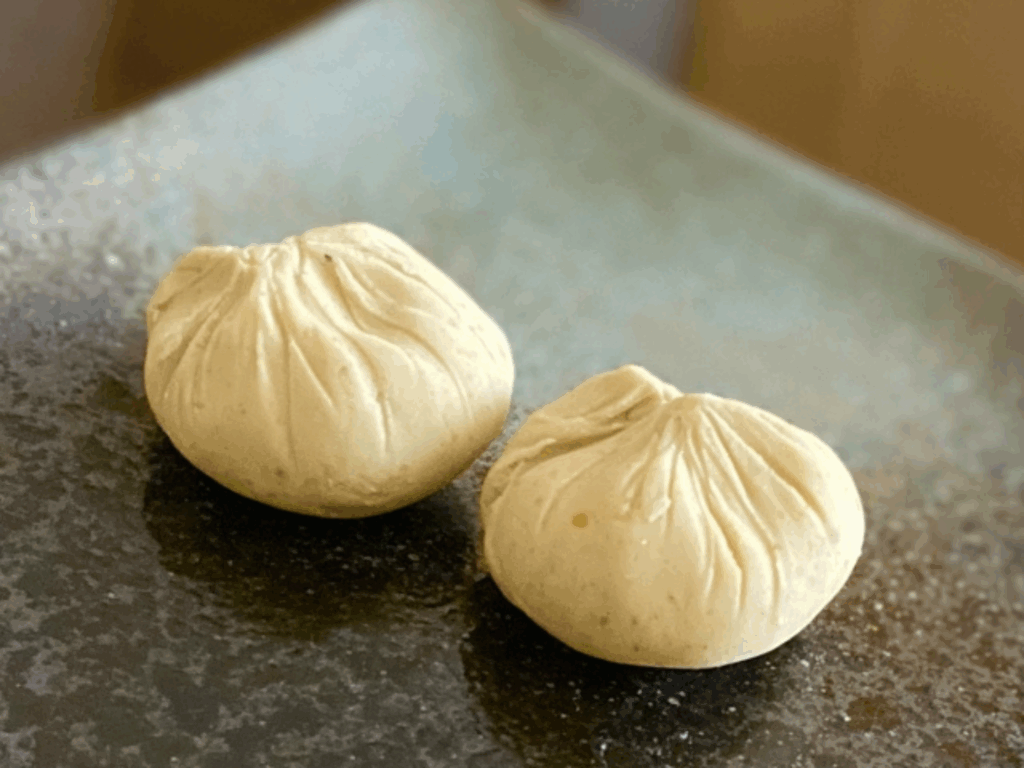
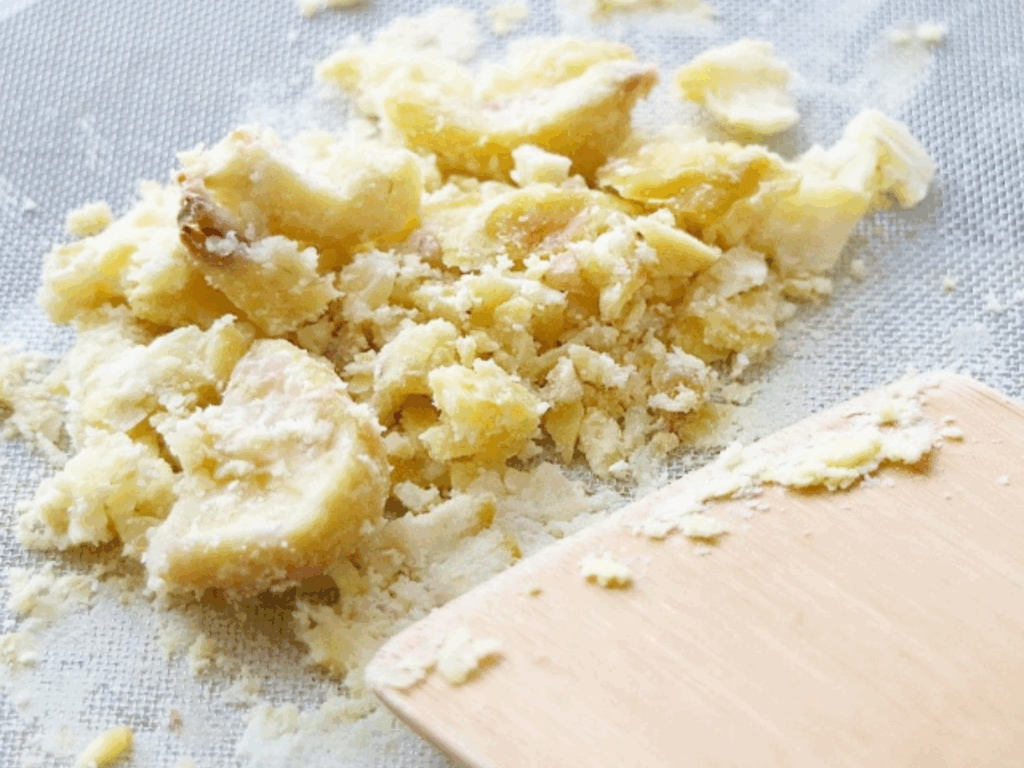
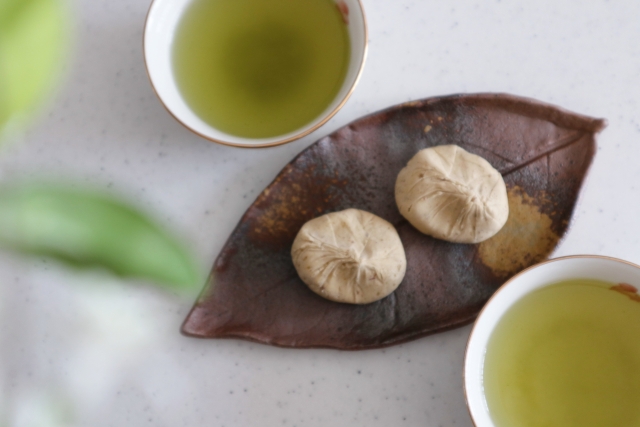
Kuri-kinton is a traditional Japanese sweet made by combining steamed chestnuts with just a small amount of sugar, then shaping the mixture into chestnut-like forms using cloth wrapping. Although simple in ingredients, it offers remarkably rich flavors and aromas. Additionally, there are actually two different foods in Japan that share the same name “kuri-kinton.”
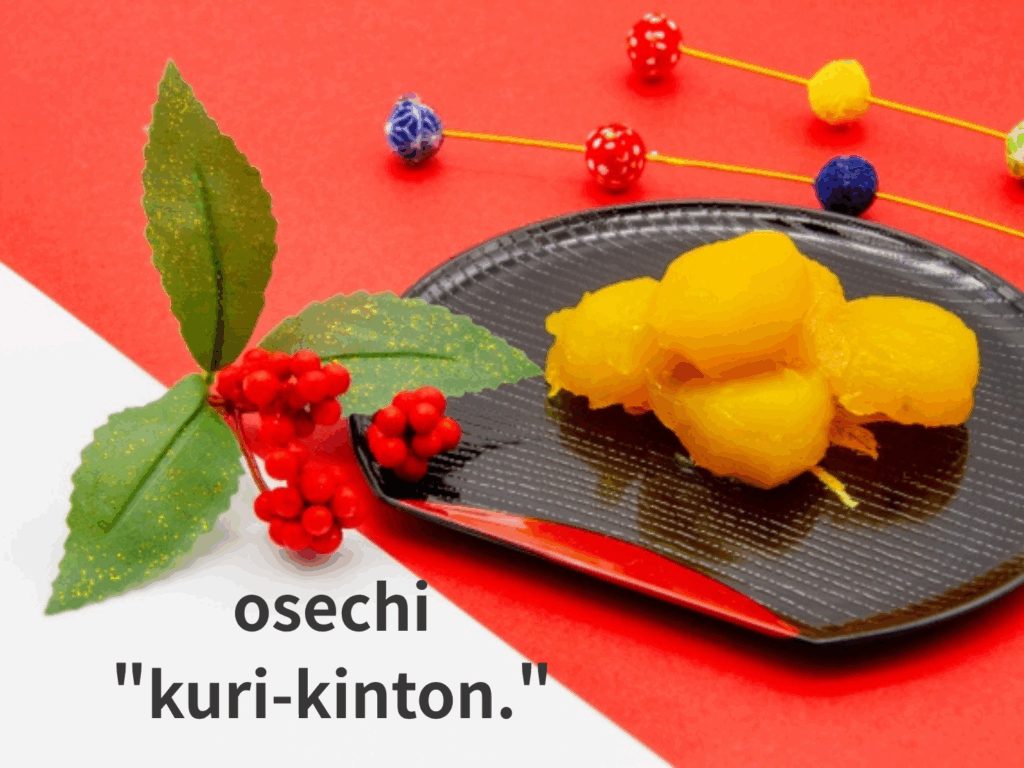
One is a sweet side dish made primarily from sweet potatoes that appears in New Year’s osechi cuisine. However, Nakatsugawa’s kuri-kinton is completely different in ingredients, preparation method, and appearance – it’s an entirely separate confection. Furthermore, Nakatsugawa’s kuri-kinton allows you to fully enjoy the natural sweetness and fragrance of pure chestnuts.
Its origins can be traced back to the Edo period when it served as a tea confection in post towns along the Nakasendo highway. Moreover, it began being commercially produced in earnest during the Meiji era. Therefore, this is a traditional regional confection with over 150 years of history.
Simple Methods Showcasing Master Craftsmanship
Kuri-kinton is an ultimately simple confection. However, this very simplicity makes it a profound sweet that demands the skilled techniques and experience of master craftsmen. The use of only chestnuts and sugar demonstrates the pure essence of this confection.
The process begins with hand-peeling chestnuts, with each piece carefully processed by hand. Furthermore, cooking in small batches maximizes the natural sweetness and aroma of the chestnuts. Therefore, this creates delicate and profound flavors that machines could never replicate. Moreover, this handcrafted warmth is precisely why kuri-kinton continues to be beloved by so many people.
The Joy of Kuri-kinton Shop-Hopping in Nakatsugawa
Nakatsugawa City is home to over a dozen kuri-kinton specialty shops, each offering their own distinctive flavors and characteristics. Additionally, particularly famous establishments include “Kawakamiya,” a prestigious shop with over 150 years of history, and “Suya,” which dates back to the Genroku period. Furthermore, these renowned shops continue to be cherished by countless tourists.
Every year, an official Nakatsugawa kuri-kinton map is published and available at tourist information centers and individual shops. Moreover, shop-hopping to compare different varieties is one of the special pleasures unique to kuri-kinton. Additionally, you can experience surprising variations in taste due to subtle differences in chestnut sources and preparation methods. Therefore, the joy of discovering your personal favorite is truly exceptional.
The Special Value of Short Shelf Life
Kuri-kinton has a relatively short shelf life of 4-7 days due to its completely natural preparation method using no preservatives whatsoever. However, this very limitation creates special value that can only be experienced locally. Furthermore, enjoying the fresh, just-made deliciousness is one of kuri-kinton’s greatest attractions.Please use our inn as your base to explore the nearby traditional Japanese confectionery shops. Moreover, if you have the opportunity to enjoy this special confection that’s only available during chestnut season, please share your impressions with us! We eagerly await your recommendations and stories of delight from the heart.
When travelers visit Japan, the most memorable experiences don’t always happen at famous tourist destinations or Michelin-starred restaurants. Instead, the most profound moments happen through unexpected cultural encounters. Furthermore, these intimate experiences create connections that transcend language barriers.
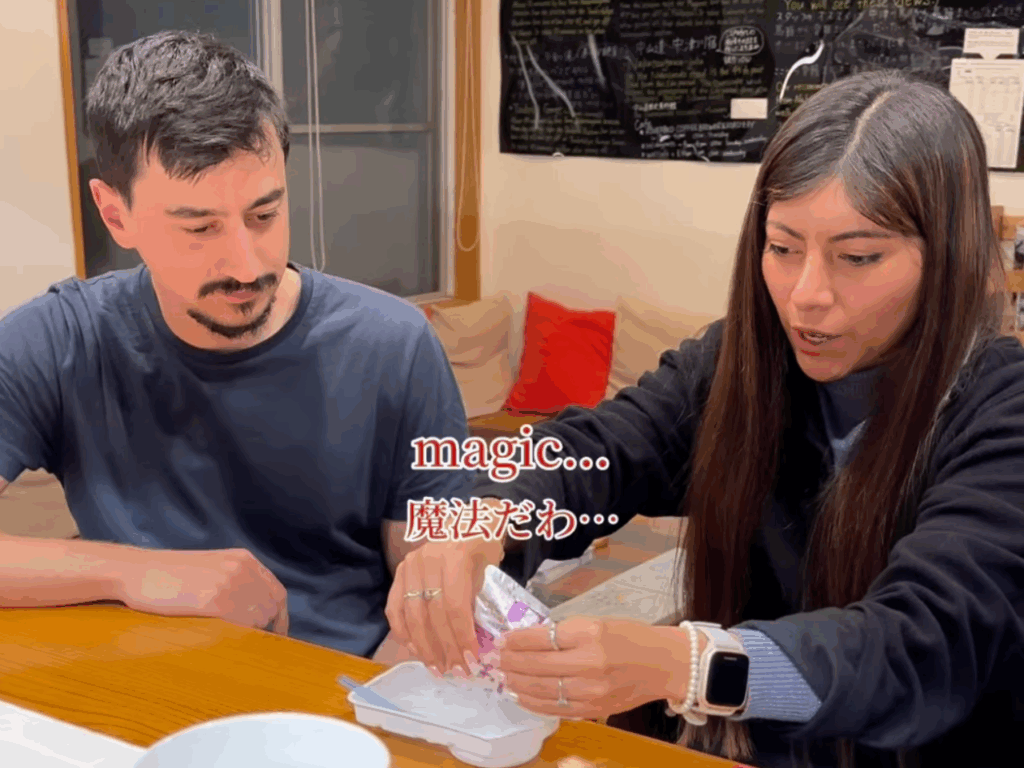
Have you ever heard of “Nerunerunerune,” a unique Japanese DIY candy? Recently, at The RYOKAN O in Nakatsugawa, we had the pleasure of introducing this fascinating treat to a delightful couple visiting from Spain.
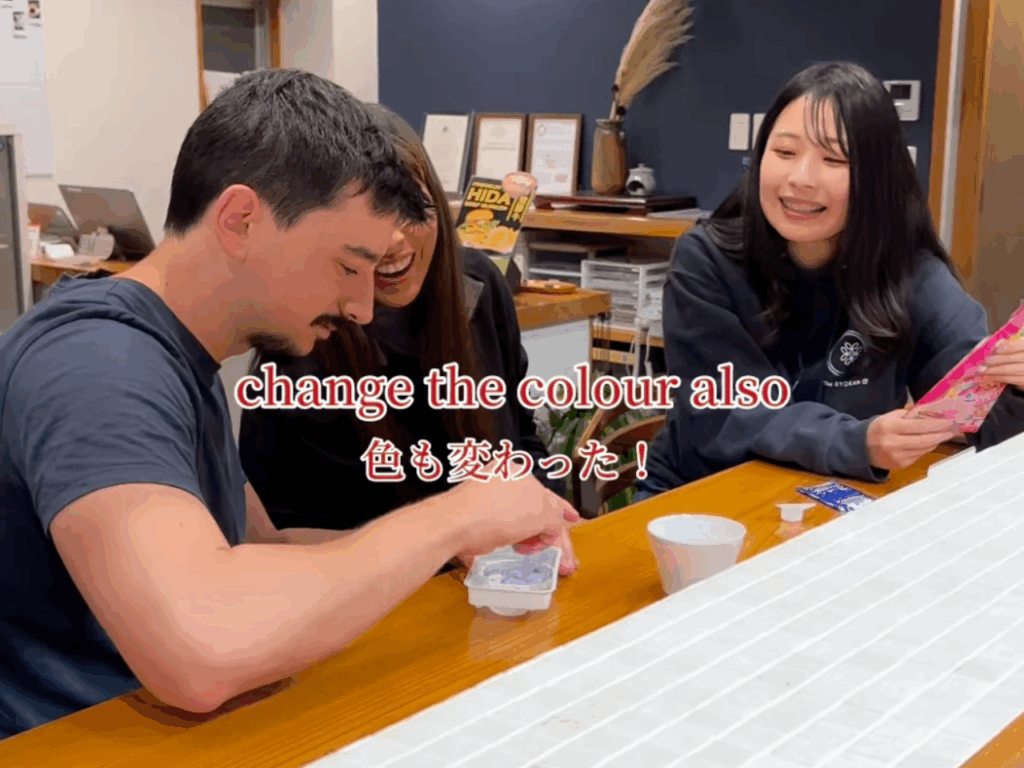
As the white powder gradually transformed into a colorful, fizzy treat before their eyes, our Spanish guests watched in amazement. “Magic…!” exclaimed one partner. Meanwhile, the other smiled and replied, “This is science!” As a result, this small experience, filled with surprise and laughter, became a moment that allowed them to feel the true spirit of Japan. Moreover, this authentic experience can’t be found in any guidebook.
At our inn, we believe that these spontaneous moments of cultural connection are what transform a simple stay into an unforgettable journey. Therefore, our approach to hospitality goes beyond providing comfortable accommodations. Instead, we strive to create opportunities for genuine cultural exchange and personal discovery.
The Magic of “Nerunerunerune” – Japan’s Wonder Candy
What Makes This Candy Extraordinary
“Nerunerunerune” is a DIY candy that has been beloved in Japan for generations. Specifically, this DIY candy creates a chemical reaction by mixing water with white powder. Then, as you stir, it bubbles up and transforms into colorful candy. Consequently, the process looks just like magic. Additionally, Japanese children learn about chemical reactions in a fun and delicious way through this candy.
The Science Behind the Magic
The magic happens through a simple pH reaction – as you add water and mix the powder, chemical indicators create the spectacular color change while generating effervescence.
Key Features That Delight Visitors
Simple preparation requiring only water
Dramatic color-changing reaction (blue to pink)
Fizzy, sweet-and-sour grape flavor
Safe, edible ingredients designed for children
Interactive experience that engages multiple senses
Why Foreign Visitors Are Captivated
For international visitors, particularly from Western countries, the concept of DIY candy that undergoes such dramatic transformations is entirely novel. For example, the Spanish couple’s reaction perfectly illustrates this fascination. Specifically, they oscillated between viewing it as “magic” and recognizing it as “science.”
Outside of Japan, there are very few confections that allow you to learn while having fun, making this a uniquely Japanese cultural experience.
Our Inn – Where Cultural Magic Happens
A Perfect Setting for Discovery
Location and Accessibility
Located just a 2-minute walk from Nakatsugawa Station, our inn represents the perfect fusion of historical authenticity and contemporary hospitality. Furthermore, this beautifully renovated 120-year-old traditional inn is a place where you can experience Japanese culture intimately and deeply.
The Art of Intimate Cultural Exchange
Our inn’s greatest charm is the very close relationship between guests and staff. Here, heartwarming exchanges naturally develop as if you were family or old friends. Like today’s “Nerunerunerune” experience, special memories can be created from casual conversations, making this the perfect inn for those who value human connections beyond just accommodation.
We aim to be the kind of place where guests leave thinking, “What an interesting inn that was! We were so lucky to learn so much!” Please feel free to ask us about anything that interests you.
Cultural Exchange at Our Inn
Every Question is an Opportunity
“What is this?” “How does it work?” “Why does it change color?” – every question our guests ask becomes a precious opportunity to share Japanese culture. We’ve learned that small curiosities can become the trigger for experiencing Japanese culture.
Our staff approach these moments not as interruptions to routine service, but as the very heart of what makes staying at our inn special.
Conclusion – Where Every Moment Becomes Magic
At our inn, we also offer tours that allow you to experience the historical significance of the Nakasendo (Samurai Road). Additionally, on our Instagram, we share numerous videos showcasing the heartwarming interactions we have with our guests. Please take a look and see for yourself the magical moments that happen here.
Whether you’re driven by curiosity about Japanese culture, eager to explore traditional post town history, or simply seeking authentic human connections, please come visit our inn. Ultimately, your own “Magic…!” moment is waiting to unfold.