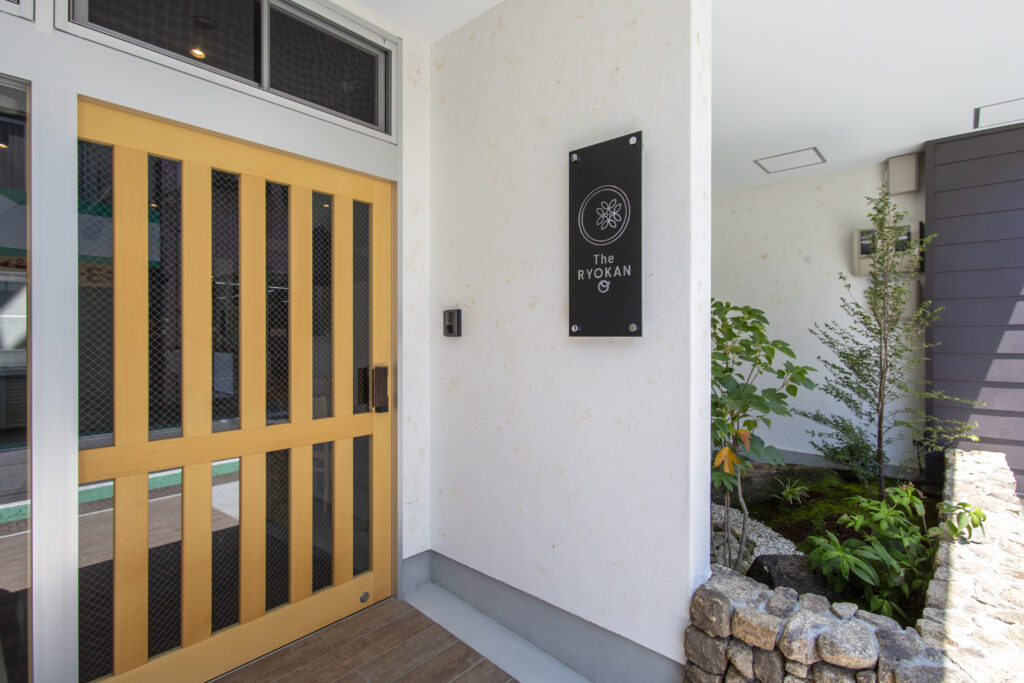
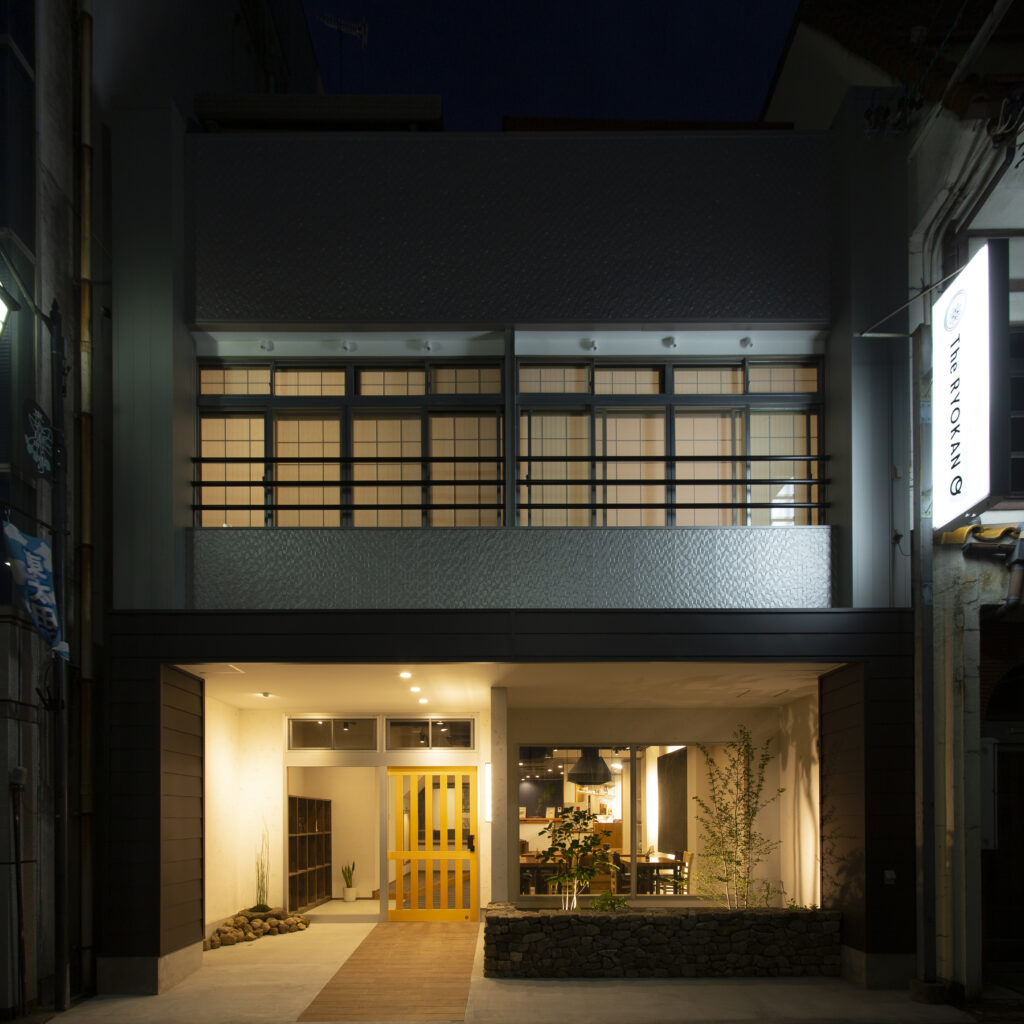
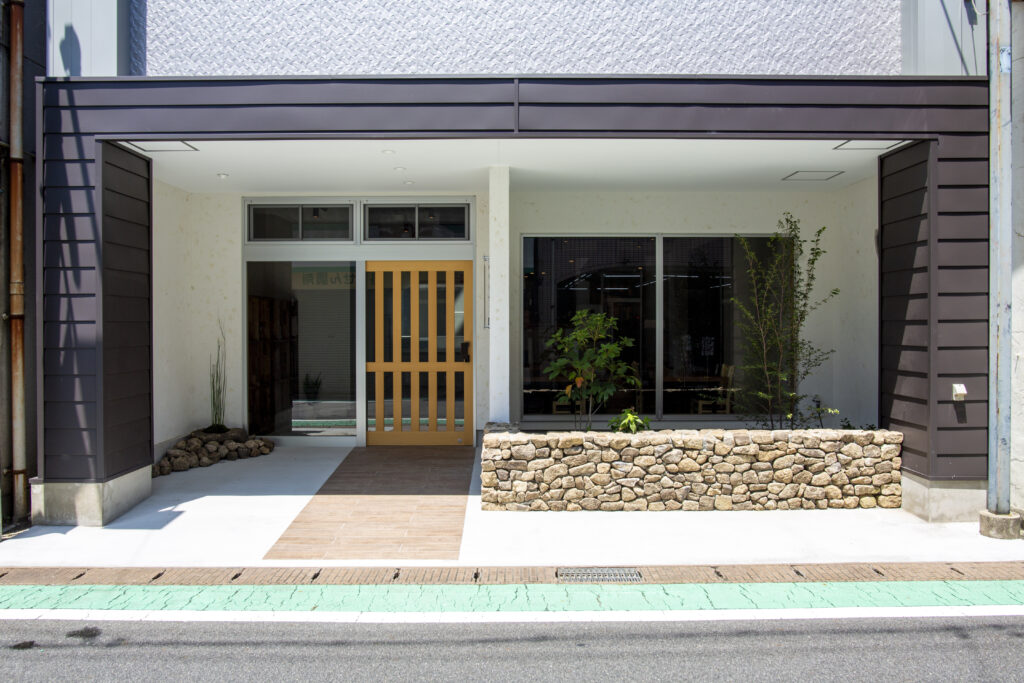
At The RYOKAN O, located along the historic Nakasendo trail in Nakatsugawa, you can enjoy a truly special culinary experience. We proudly present our hamburger made with 100% premium Hida beef, one of Japan’s finest wagyu brands.
First, let us introduce the appeal of this luxurious burger. We have carefully crafted every element to maximize the umami of Hida beef. Our special attention to both buns and sauces enhances the meat’s natural flavors.
Usually, ordering Hida beef steak costs over 10,000 yen per serving. However, at our inn, you can enjoy this luxurious taste in burger form for just 2,800 yen.
The Excellence of Hida Beef
Japan’s Premium Wagyu Brand
Hida beef represents one of Japan’s finest wagyu brands. Its exceptional quality has gained worldwide recognition among food connoisseurs.
Only beef meeting strict standards can be certified as “Hida beef.” For example, only black-haired wagyu cattle raised in Gifu Prefecture for over 14 months and graded 3rd class or higher qualify for certification.
Among globally famous wagyu varieties, Hida beef offers special appeal. Beautiful marbling, melt-in-your-mouth texture, and rich umami flavor characterize this premium meat.
The Rarity of Premium Wagyu
However, Hida beef production remains limited. Exports are extremely rare, making this an exceptionally difficult ingredient to obtain overseas.
Even within Japan, high-end steak restaurants typically serve this premium beef. Therefore, opportunities to enjoy Hida beef locally are extremely valuable.
This represents a truly special experience available only to travelers visiting this region.
Special Moments in Our First-Floor Lounge
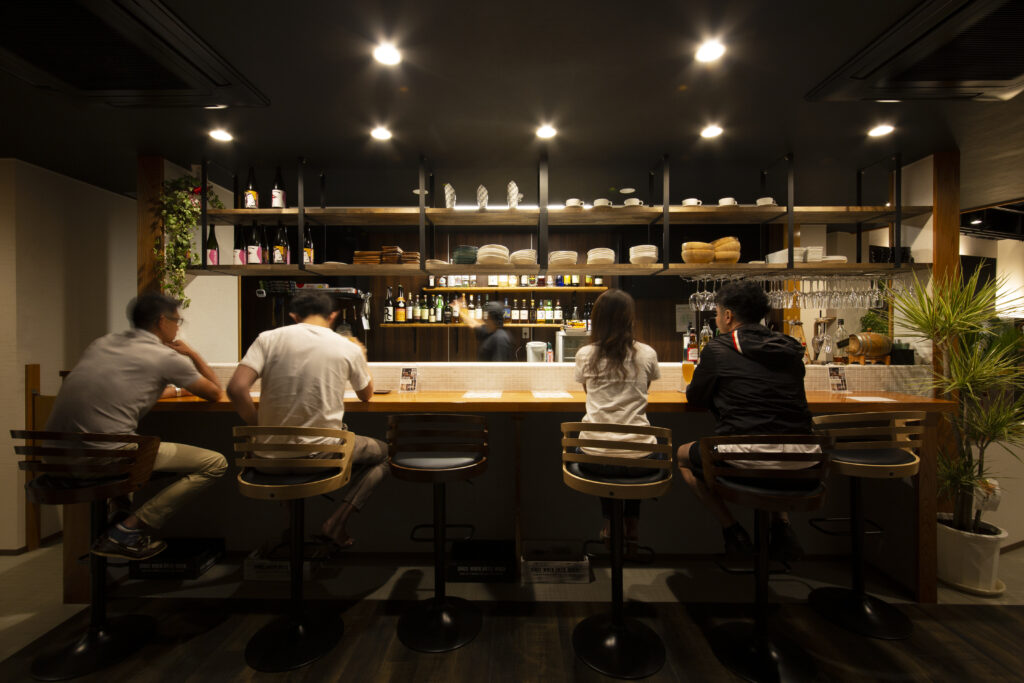
Furthermore, we serve our Hida beef burger in our first-floor lounge. Both hotel guests and day visitors can enjoy this culinary experience.
Please savor your meal slowly in the warm atmosphere of our signature irori fireplace. Additionally, customers ordering our burger often enjoy alcoholic beverages alongside their meal.
Sake Pairing Experience
Carefully Selected Local Sake
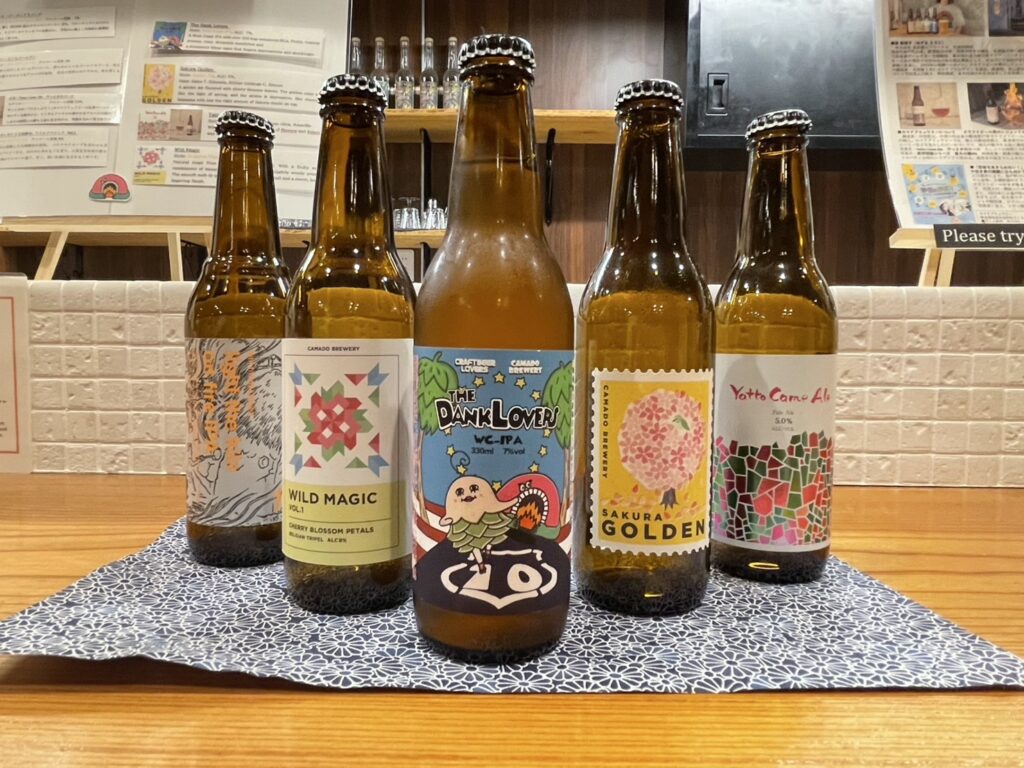
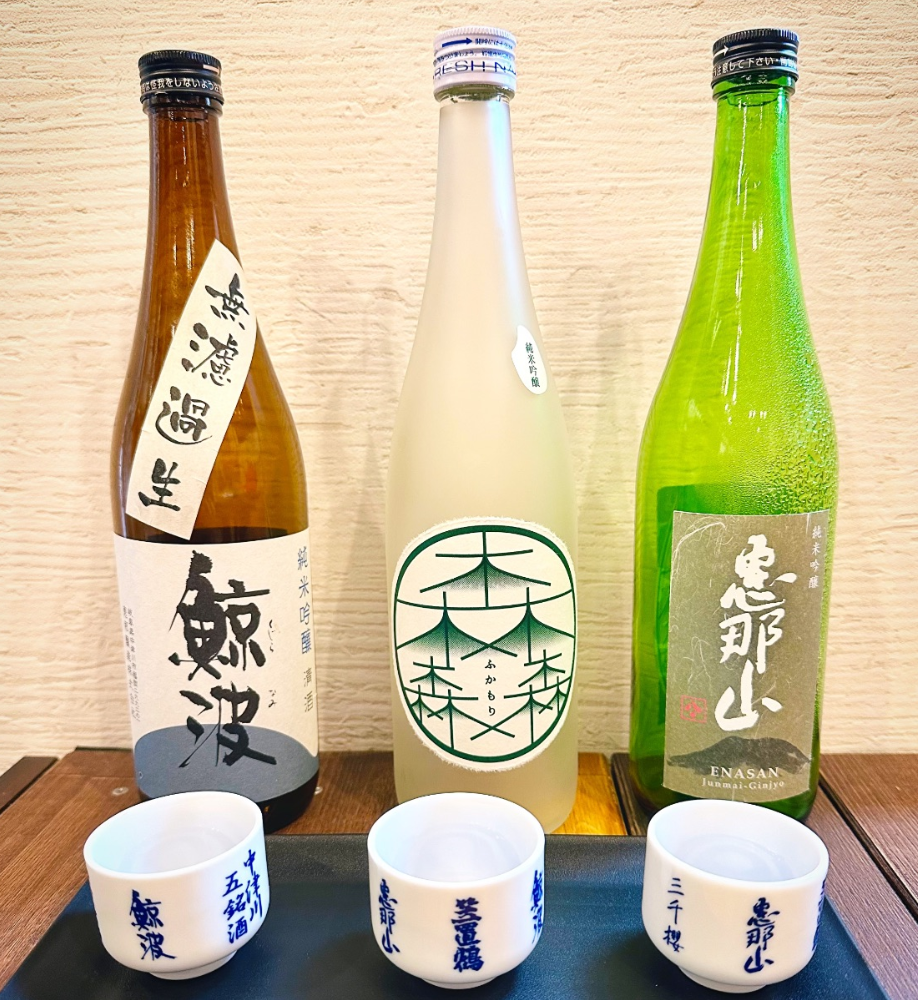
Our inn offers numerous local sake varieties that pair beautifully with our Hida beef burger. You can enjoy craft beer from Kamado Brewery, Enasan Junmai Ginjo, Shinmori Junmai Ginjo, and local sake “Kujira-nami.”
These regional specialties further enhance the rich flavors of the beef. Please enjoy this uniquely Japanese pairing experience.
Cultural Dining Experience
Moreover, this combination transcends mere dining to become a cultural experience. You can taste the fusion of traditional Japanese ingredients with contemporary culinary styles.
The combination of premium ingredients and traditional Japanese ambiance creates an unforgettable dining experience.
Usage Information
Reservations and Hours
Our Hida beef burger is available from 1:00 PM to 8:00 PM. Guests wishing to order must make reservations by 12:00 PM the previous day.
We prepare fresh burgers timed to your requested arrival time. This ensures you receive the highest quality dining experience possible.
Exceptional Value
Finally, enjoying premium Hida beef at this price represents a unique benefit of our inn. Ordering equivalent Hida beef steak typically costs over 10,000 yen per serving.
However, you can enjoy this luxurious taste in burger form for under 3,000 yen. This exceptional value makes premium Japanese cuisine accessible to more travelers.
Conclusion – Unforgettable Japanese Flavors
Enjoying Hida beef burger in this historic Nakasendo post town will become a special memory of your Japanese journey. This represents a precious opportunity to easily taste Japan’s finest ingredients with uniquely Japanese seasonings.
Furthermore, the time spent enjoying local sake in our warm irori atmosphere is truly exceptional. Please experience this special burger for yourself.
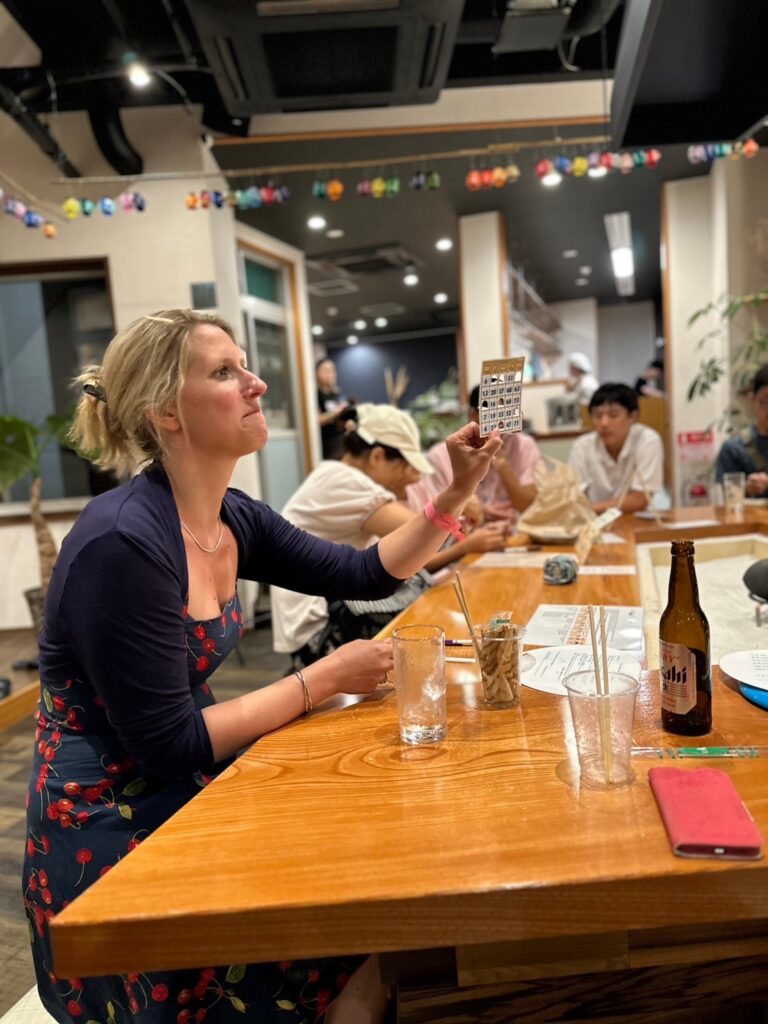
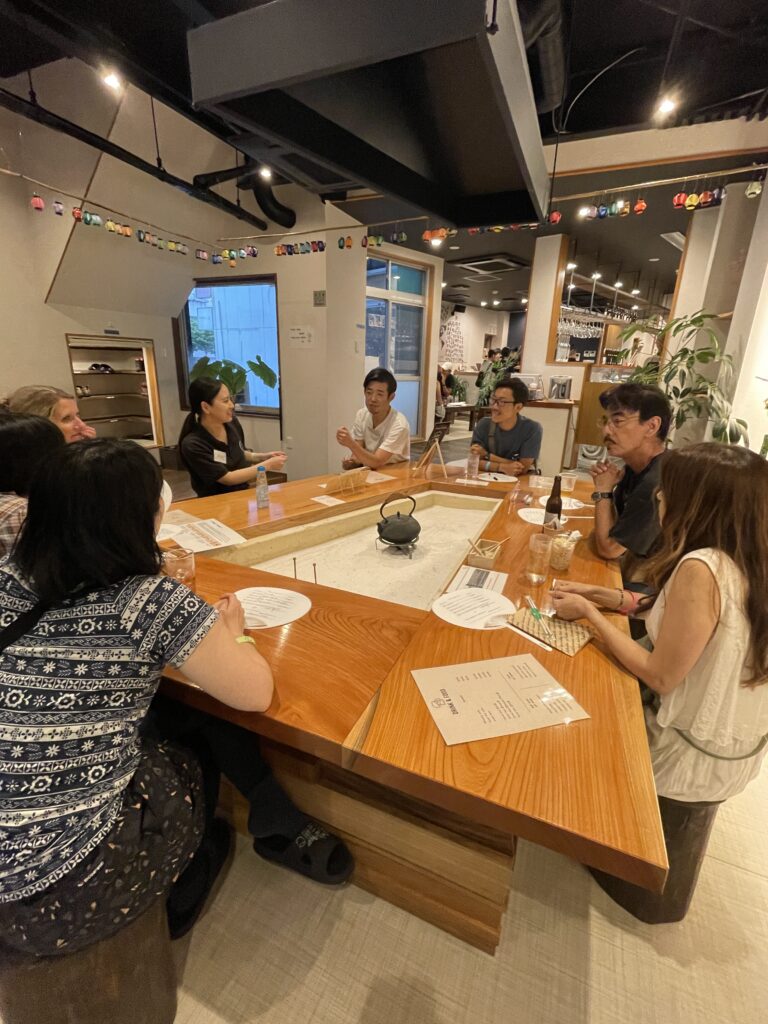
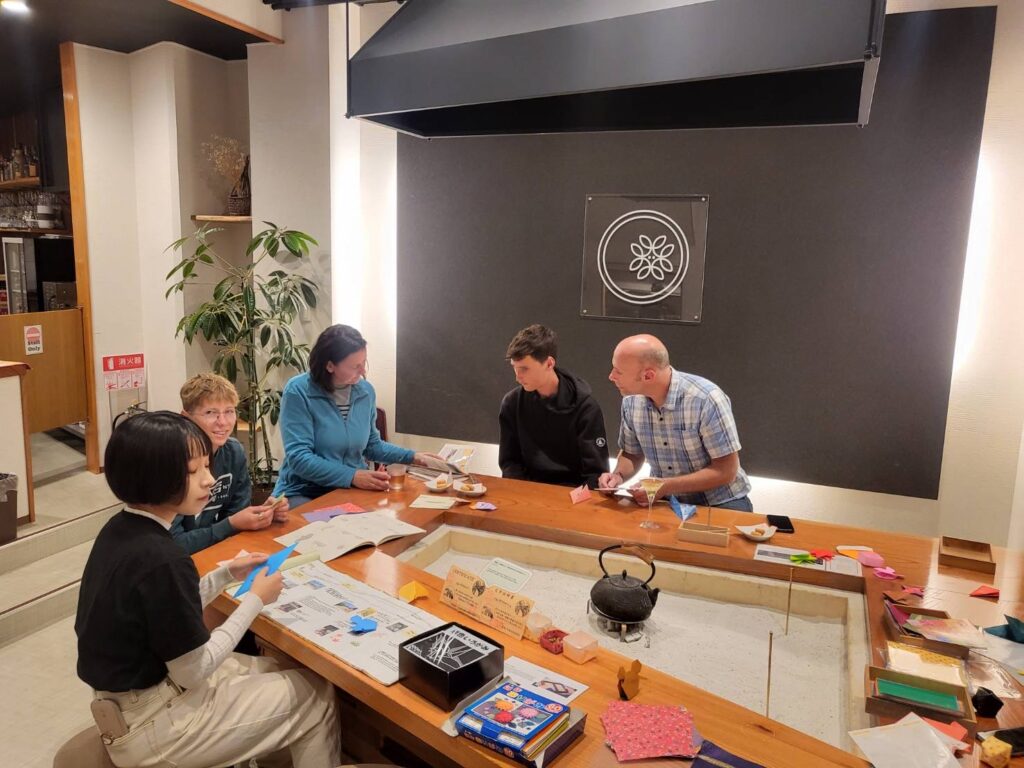
As you step through the entrance of The RYOKAN O, you’re immediately welcomed by the warm glow of a traditional irori fireplace. This cafe & bar space is more than just a rest area—it’s a special place where guests and staff naturally deepen connections while gathering around Japan’s traditional hearth, creating a heartwarming space for cultural exchange.
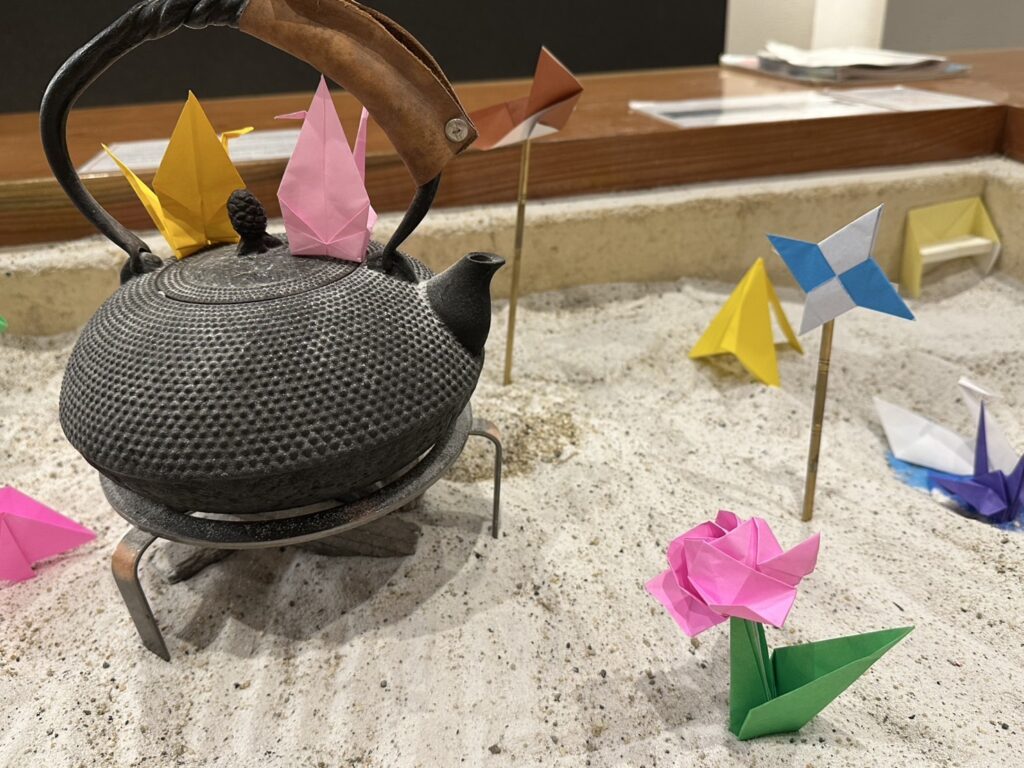
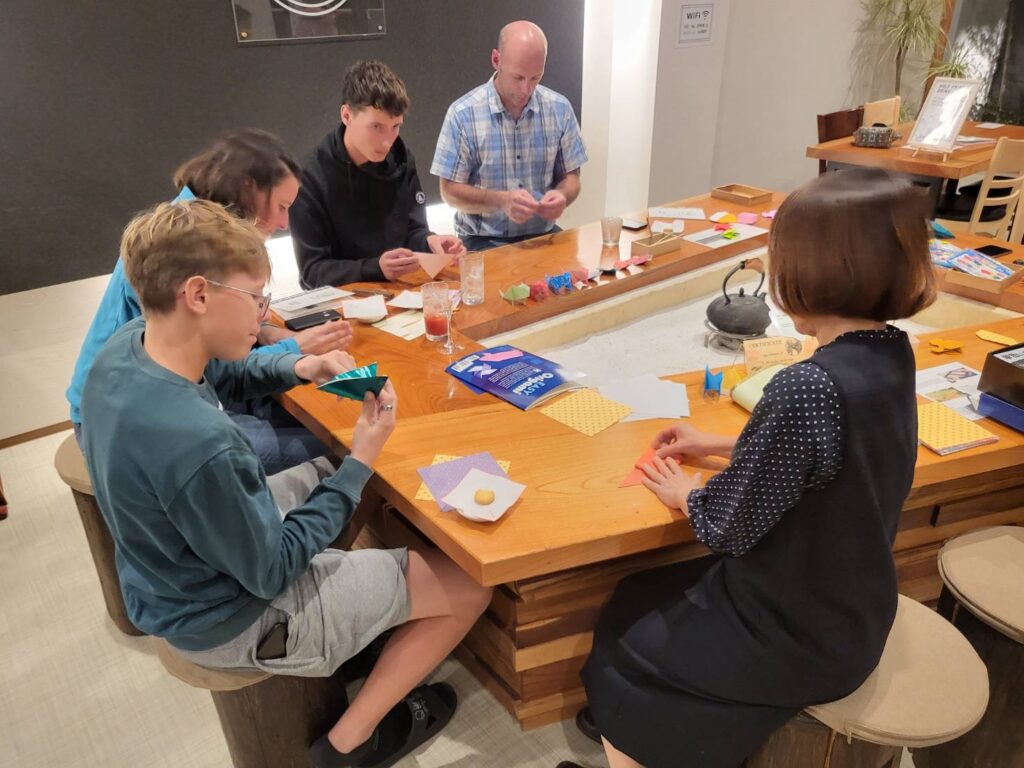
Around the large irori, log chairs are arranged for anyone to relax freely. Here, guests can unwind from their travels while casually experiencing Japanese culture through origami and kendama, enjoying special moments and new encounters.
At our inn, we hope this space helps guests feel the beauty of Japanese culture up close, while naturally fostering international exchange among visitors. From families with small children to adults, this beloved gathering place continues to host warm exchanges day after day.
Casual Encounters with Japanese Culture
Cultural Experiences Available Anytime
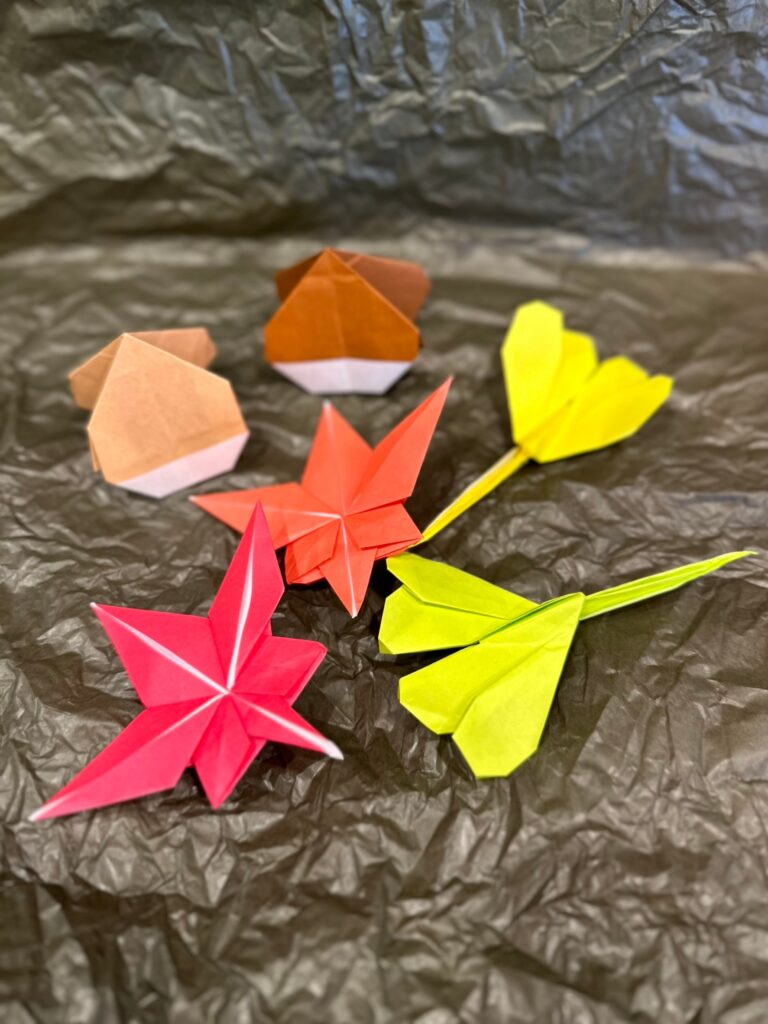
The irori space is always equipped with traditional Japanese toys like origami and kendama. Don’t worry if you’re thinking “I’d like to try, but I don’t know how!” Our staff are delighted to help, providing careful instruction from basic techniques to slightly more challenging skills, tailored to each guest’s level.
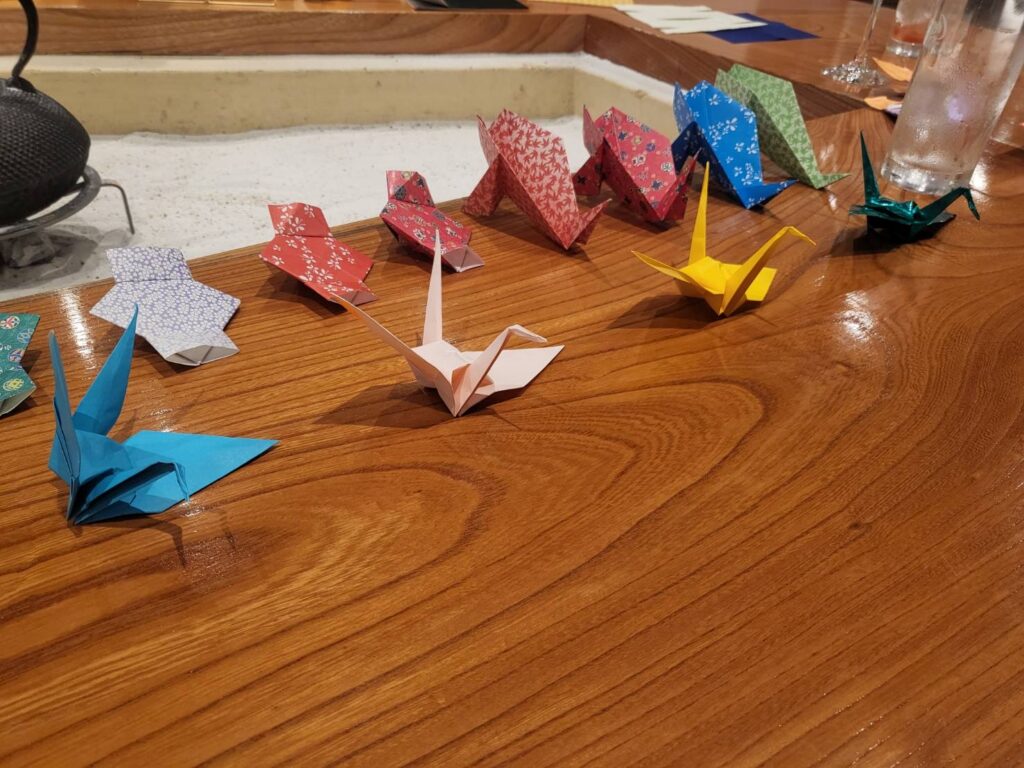
These experiences, which can be enjoyed beyond language barriers, also serve as catalysts for guest interactions. Scenes of visitors from different countries teaching each other how to fold origami cranes or competing in kendama techniques are heartwarming moments commonly witnessed at our inn.
Deepening Cultural Understanding Through Seasonal Events
While irregular, our inn also hosts special events for deeper Japanese cultural experiences. In the past, we’ve held Japanese tea appreciation events and tanabata star festival paper strip writing events, which many guests have participated in.
The irori, Japan’s ancient gathering place, has a mysterious power to bring people closer together. The act of gathering around fire is a universal culture that transcends language and nationality, creating a sense of familiarity.
A Family-Friendly Environment
Families with small children are most welcome to use this space. Children can also enjoy Japanese cultural games. The smiles of children making flowers and animals with origami or trying their hand at kendama bring happiness to everyone present.
Our Inn’s Unique Hospitality
Close Relationships with Staff
This space is where you can most feel our inn’s greatest charm: “the close relationship between staff and guests.” Please feel free to approach us with any questions. Whether about Japanese culture, sightseeing, or anything else—we’re happy to help. The special memories born from such casual conversations will surely enrich your stay in Japan.
Conclusion – A Place Where Hearts Connect
Our inn’s irori space is not just a rest area. It’s a special place where you can experience traditional Japanese culture, nurture new encounters, and enjoy heartfelt exchanges beyond words. On our Instagram, we share many videos capturing the heartwarming interactions with our guests. Please take a look.
For those interested in Japanese culture, seeking heartwarming international exchanges, and above all, those who value new encounters while traveling—please spend time in our irori space. We promise it will make your Japanese journey even more special.
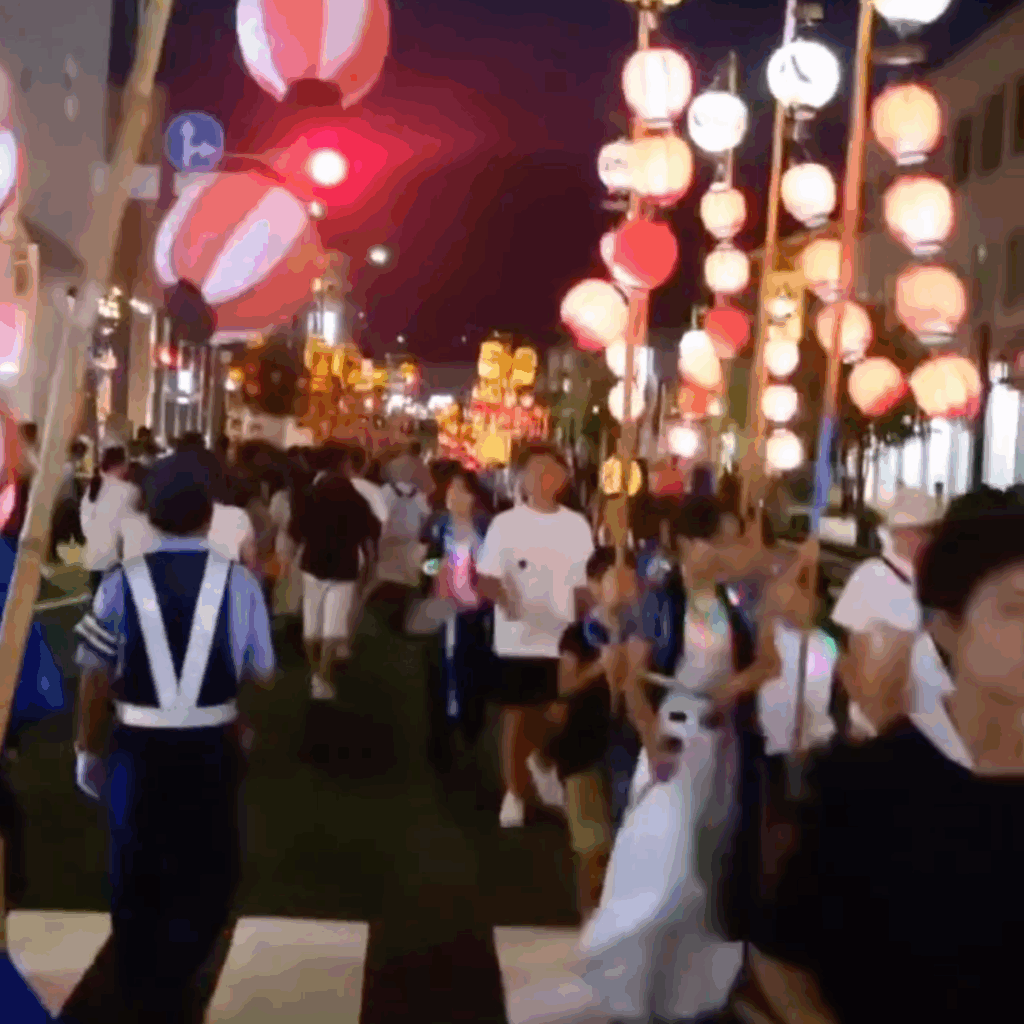
Every year on August 12th and 13th, Nakatsugawa transforms into the most vibrant and exciting place it becomes all year. This is “Oiden Matsuri,” Nakatsugawa’s beloved summer tradition. The festival takes place on the station street just a short walk from The RYOKAN O, allowing our guests to fully enjoy this authentic Japanese summer festival while hearing the taiko drums and cheers right from their rooms.
During the 2025 Oiden Matsuri, our inn organized a special event. We set up festival stall corners outside our inn featuring traditional games like shooting galleries and super ball scooping, and also sold our signature wagyu burgers that guests usually enjoy inside our inn. It was a huge success! This fusion of authentic Japanese festival stall culture with our inn’s hospitality created unforgettable summer memories for our guests.
At our inn, we believe in helping guests experience Japanese culture more deeply through such local festivals. Staying with us while enjoying an authentic Japanese summer festival—please come experience this special opportunity.
The Appeal of Oiden Matsuri
A Two-Day Summer Spectacular
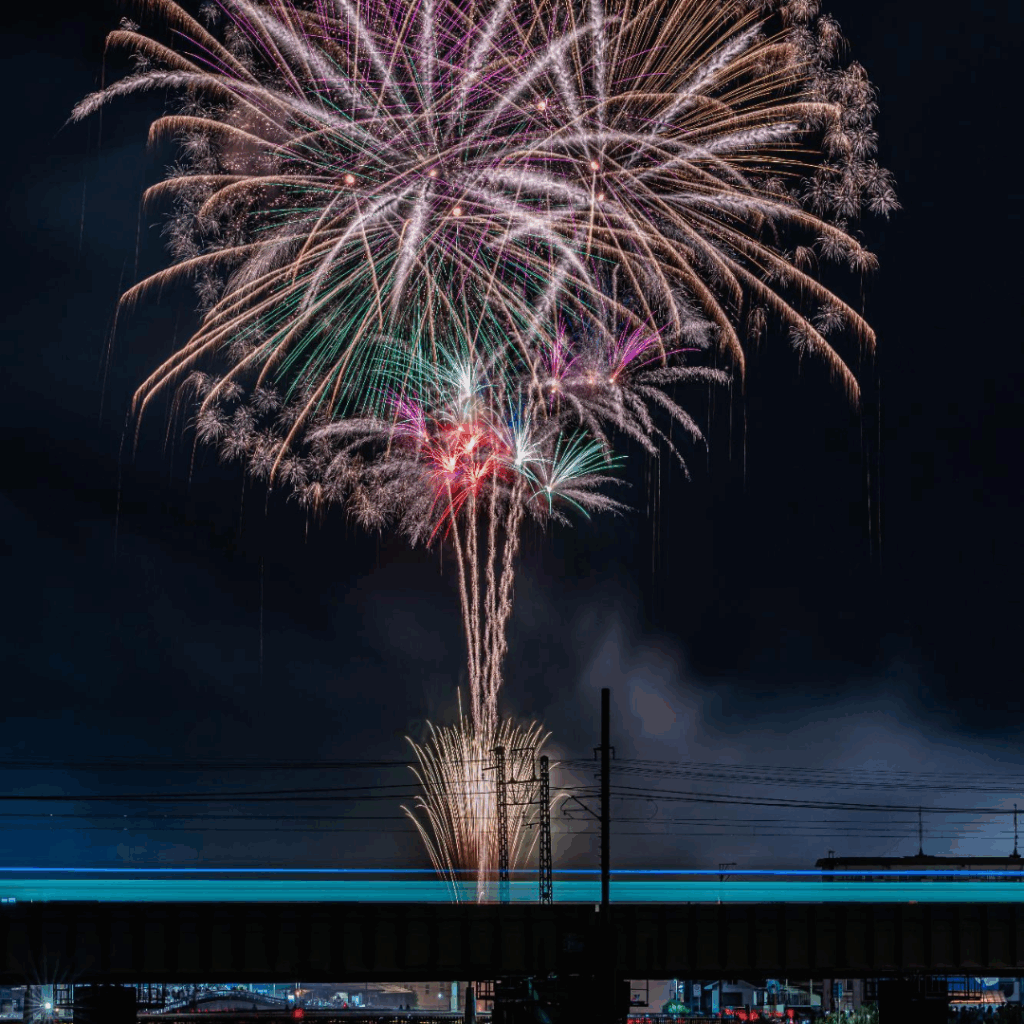
Oiden Matsuri is the most important summer event for Nakatsugawa citizens. Day one begins spectacularly with a fireworks display along the clear Nakatsugawa River, where colorful fireworks paint the summer night sky. The sound of fireworks echoing through the night can be clearly heard from our inn, creating a special atmosphere that announces the beginning of the summer festival for our guests.
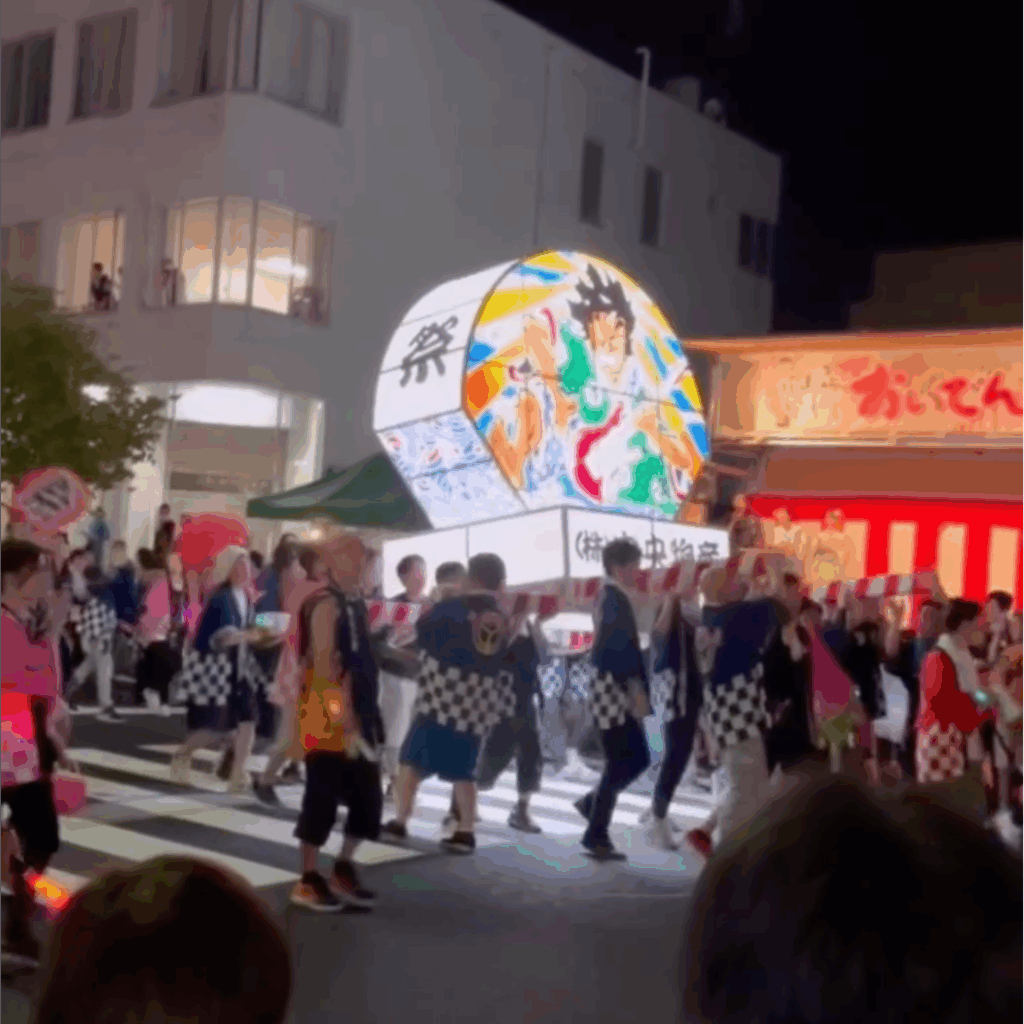
On the second day, the main festival transforms the station street into a pedestrian paradise filled with numerous performances. Starting with an opening parade featuring the Nakatsugawa Fire Department Marching Band, the festival includes a Kids Summer Festival where local children showcase various dance genres, traditional “Furyu Odori” dance recreated from historical drawings of the Naegi Toyama Domain, and mikoshi (portable shrine) processions—all celebrating traditional culture.
A Special Day When the Community Unites
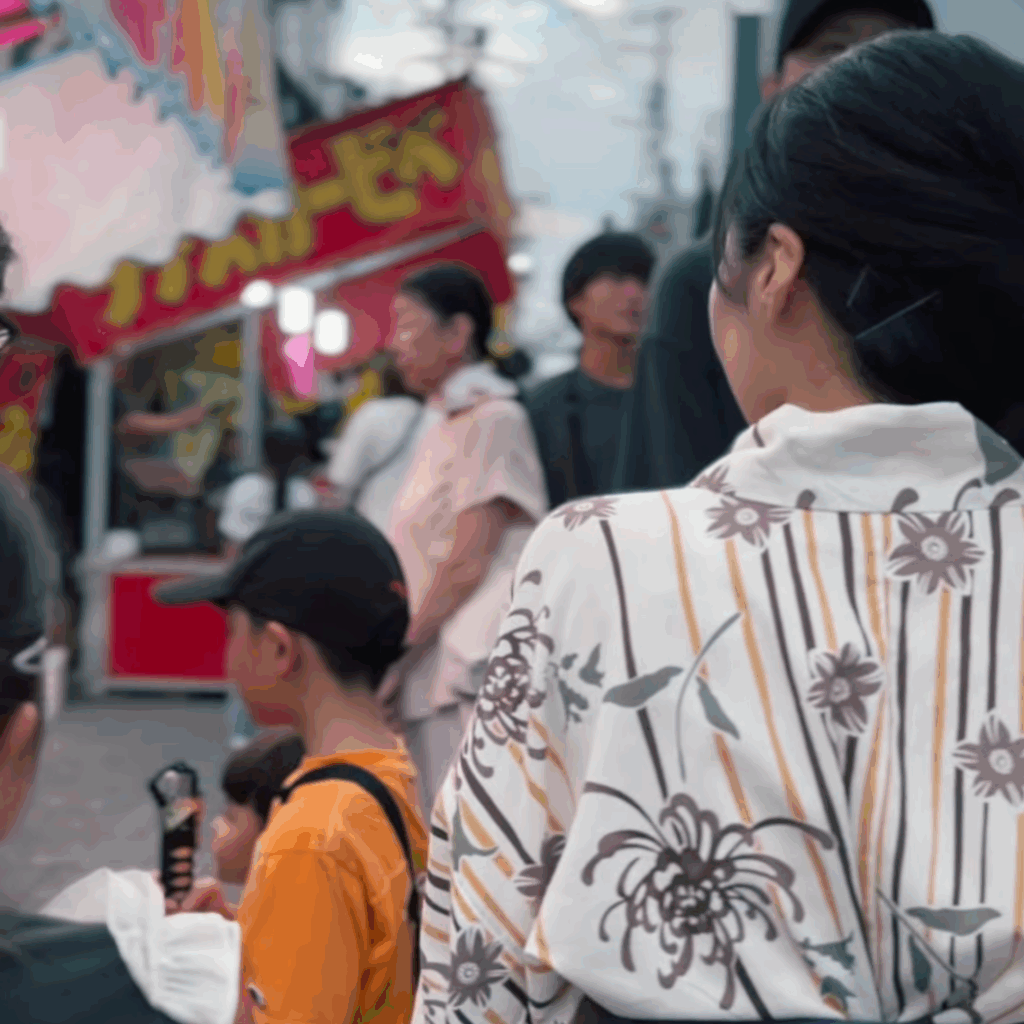
On this once-a-year occasion, people from all over the city gather together, and the station street venue becomes filled with heat and energy. The sight of everyone from children to elderly people participating in yukata and happi coats truly embodies the essence of Japanese summer festivals.
It’s just a few minutes’ walk from our inn to the festival venue. Guests can experience this authentic, community-rooted Japanese summer festival right from their accommodation.
The RYOKAN O’s Special Event
Festival Stall Experience in Front of Our Inn
During the 2025 Oiden Matsuri, our inn participated in the local festival by setting up special festival stall corners outside our building. We offered guests the chance to experience traditional festival games essential to Japanese summer festivals, such as shooting galleries and super ball scooping
Popular Burger Sales
We also held a special sale of the burgers that guests usually enjoy inside our inn, which was hugely successful and sold out completely. Our signature burgers enjoyed in the special festival atmosphere seemed to offer a uniquely delicious experience different from usual.
The Charm of Japanese Festival Stall Culture
The Fun of Traditional Stall Games
Shooting galleries are a classic festival game that has been passed down in Japan since ancient times. Despite the simple rule of shooting cork balls to win prizes, it’s surprisingly difficult and captivates both adults and children. Super ball scooping is also an enjoyable game that tests skill and luck, using a thin paper scoop called “poi” to catch colorful balls floating in water.
These festival games represent nostalgic childhood memories for Japanese people and offer fresh, fascinating cultural experiences for international visitors. At our inn, we treasure opportunities to let guests casually experience these uniquely Japanese play cultures.
The Special Unity That Festivals Create
The beauty of Japanese summer festivals lies in the sense of unity as local people come together to enjoy themselves. The usually quiet station street overflows with taiko drum sounds and people’s laughter on this day, enveloped in the special atmosphere of this “hare” (celebratory) day.
Our Inn’s Unique Festival Experience
One of our inn’s greatest attractions is our excellent location, just minutes on foot from the Oiden Matsuri venue on the station street. Guests can drop off their luggage and immediately join the festival, and return to rest at the inn whenever they feel tired.
Looking Toward Next Year’s Oiden Matsuri.We Recommend Early Reservations.
During the Oiden Matsuri period, our inn becomes very busy. To enjoy this special Japanese summer festival experience, we recommend making reservations early.
Conclusion – Come Experience Authentic Japanese Summer
Japan has numerous festivals throughout the country, each showcasing the unique characteristics of their respective regions. Nakatsugawa’s “Oiden Matsuri” is also a traditional Japanese summer festival deeply rooted in the local community. You can feel the warm atmosphere of Nakatsugawa’s people and the wonderful traditional culture firsthand.
Please come experience the uniquely Japanese festival stall culture. On August 12th and 13th next year, Nakatsugawa’s hot summer and our inn’s warm hospitality will be waiting for you. We promise your Japanese summer will become a truly special memory.
We’ve also posted about the day of Oiden Matsuri on our Instagram, so please check that out as well.
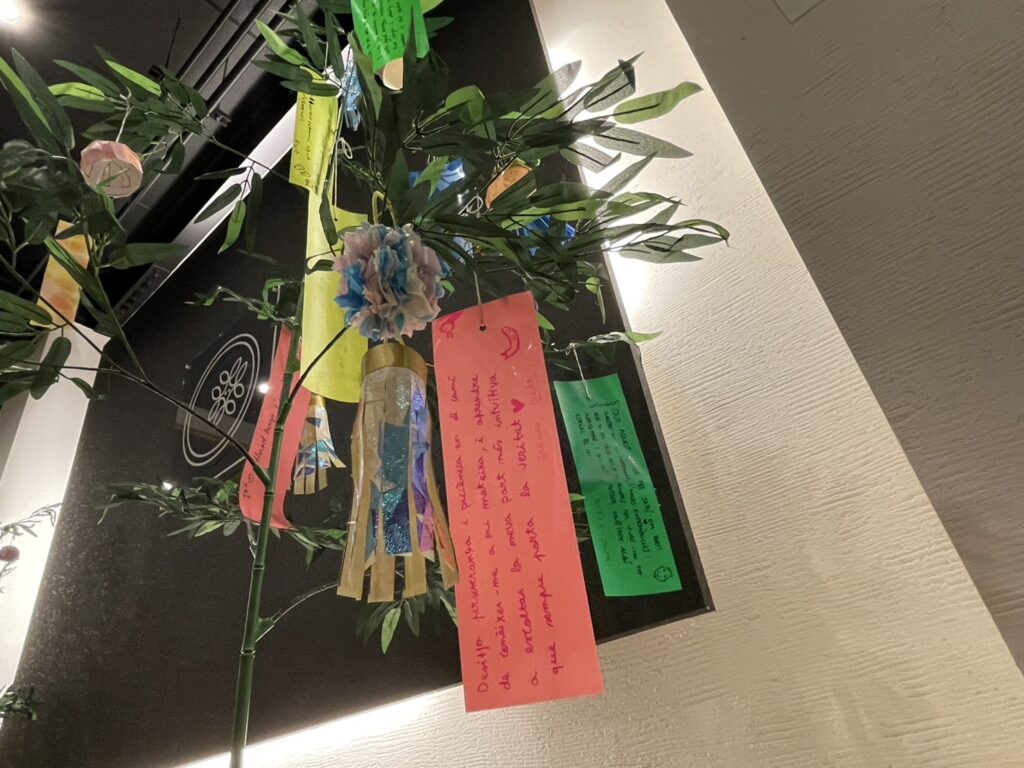
In June, we had the pleasure of welcoming guests from Spain to The RYOKAN O in Nakatsugawa. During their stay, they took part in one of Japan’s most enchanting traditions—Tanabata, the Star Festival. Our lobby, adorned with vibrant decorations and heartfelt wishes, became a shared space where cultures met, stories were exchanged, and dreams took tangible form on colorful strips of paper.
Tanabata is more than just a seasonal decoration. Rooted in a centuries-old legend, it invites people to pause, reflect, and express their hopes for the future. For our Spanish guests, it was a chance to step into the heart of Japanese summer tradition, experiencing firsthand the artistry, symbolism, and warmth that this festival brings.
The Story and Meaning of Tanabata
Tanabata traces its origins to an ancient Chinese tale of two celestial lovers—Orihime, the Weaver Princess, and Hikoboshi, the Cowherd. According to legend, the Milky Way separates them, and they are allowed to meet only once a year, on the seventh day of the seventh month. Over time, this story traveled to Japan, where it merged with local customs and became a cherished summer event.
The essence of Tanabata lies in writing wishes on small, rectangular pieces of colorful paper called tanzaku, which are then hung on bamboo branches. Bamboo, with its straight and resilient form, symbolizes growth and strength, making it the perfect vessel for carrying one’s hopes toward the heavens. The wishes can be personal—such as success in studies or good health—or universal, like peace in the world.
A Unique Celebration at The RYOKAN O
For our guests, Tanabata at The RYOKAN O was not just about following a tradition—it was about experiencing it through the lens of local community and creativity. The tanzaku were made from vivid, hand-cut paper, ready for each guest to inscribe their dreams. The bamboo display in our lobby was made even more special by contributions from nearby kindergartens and preschools.
Children from the community sent in their artwork—cheerful portraits, adorable animal drawings, and even tiny, colorful footprint stamps. Each piece carried its own wish, written with sincerity and innocence. Hanging side by side with the wishes of our international guests, these decorations turned the lobby into a tapestry of shared humanity.
Our Spanish guests spent a quiet afternoon selecting their favorite paper color, carefully writing their wishes in their native language, and then tying them gently to the bamboo. In that moment, there was no cultural divide—only the shared joy of participating in a tradition that transcends borders.
The Atmosphere and Cultural Connection
Walking into the Tanabata display at The Ryokan O was like entering a living gallery. The soft rustle of paper as guests passed by, and the interplay of colors from the decorations, created an atmosphere of gentle celebration. It was a place where travelers in Japan could pause for a moment and reflect on what truly matters to them.
For those new to Japanese culture, Tanabata offered a window into the nation’s seasonal rhythms. Japan’s calendar is rich with events tied to nature’s cycles—cherry blossoms in spring, autumn leaves in fall, and snow-viewing in winter. Tanabata stands as one of the emblematic events of summer, carrying both the romance of its legend and the personal touch of individual hopes.
Why Experiences Like This Matter
In this post, we introduced guests from Spain, for whom the festival became one of the highlights of their journey—a bridge between their own traditions and those of Japan. And for us, the tanzaku tied to the bamboo are not just decorations; they are vessels for stories, dreams, and human connections, reminding us of the deep meaning behind this tradition.
At The RYOKAN O, where 90% of our guests come from overseas, we believe travel is not only about visiting new places but also about engaging with the traditions that make them unique.
Discover More
The RYOKAN O offers other opportunities to experience Japanese culture through various tours and activities. You can also enjoy many videos on our Instagram, capturing the moments when guests and Japanese culture meet.
During their journey across Japan, our guest from London stopped by The RYOKAN O before continuing on to Kyoto and Okinawa. With eyes sparkling in anticipation, they spoke of their upcoming diving adventure in Okinawa’s crystal-clear waters.
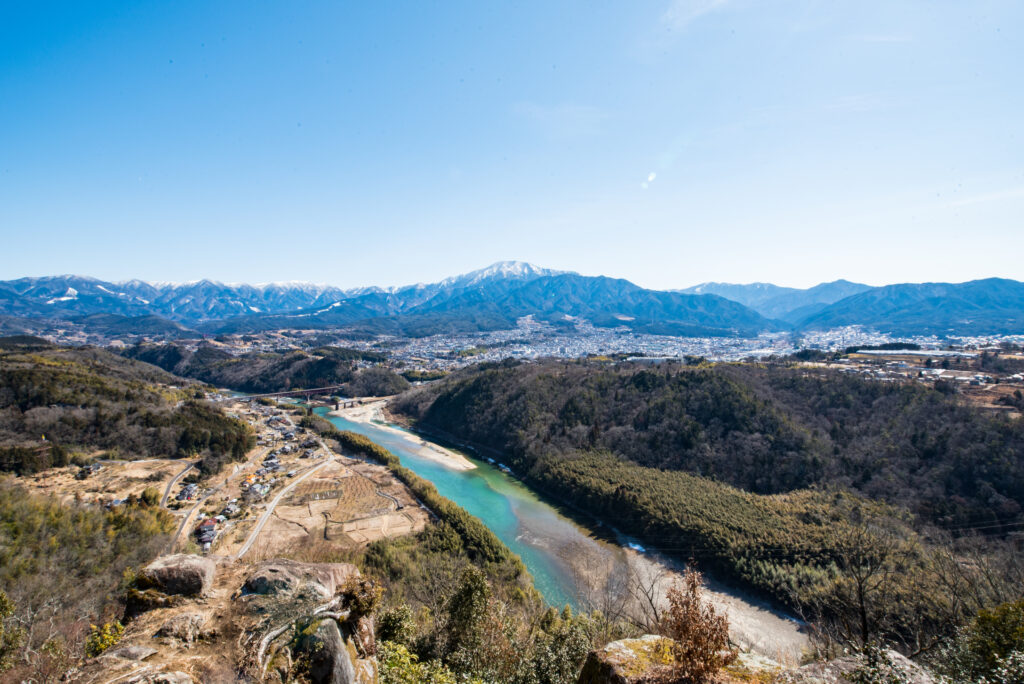
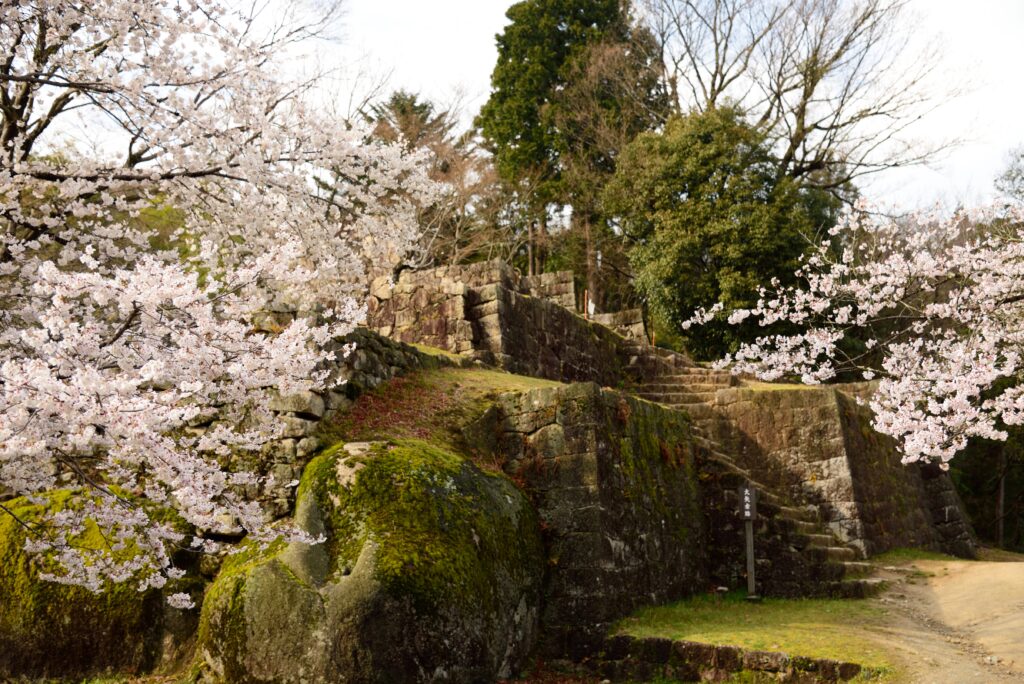
For nature lovers, Nakatsugawa is a hidden spot worth discovering. Mount Ena rises proudly in the distance, its slopes shifting in color with the seasons. The Kiso River flows powerfully from Nagano through Gifu and onward to Nagoya, a mighty waterway that has shaped the life and history of the region. For those seeking lesser-known gems, the ruins of Naegi Castle sit atop a hill just 5–10 minutes by car from The Ryokan O. From its summit, visitors can enjoy panoramic views of Mount Ena and the Kiso River. This mountaintop fortress tells stories from Japan’s Sengoku period, and its stone walls seem to carry the strategies and lives of the lords and warriors who once defended it.
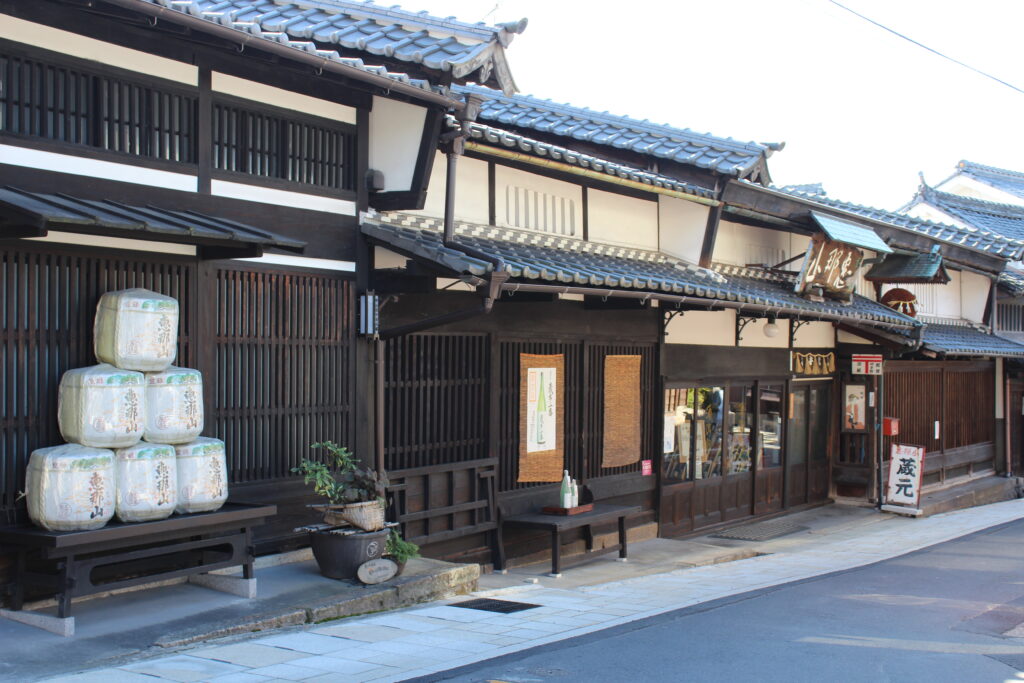
History enthusiasts can book a guided walk through the back alleys of historic Nakatsugawa-juku via The RYOKAN O. Once a bustling post town along the Nakasendo route, it still retains the charm of the Edo period. Visitors can taste sweet treats from long-established wagashi shops and sample local sake from traditional breweries.
Inside The RYOKAN O, one wall features Polaroid photos of past guests alongside a world map, reflecting the global connections made here. Nearby shelves present select local cultural goods, allowing guests to purchase a tangible memory of Nakatsugawa.
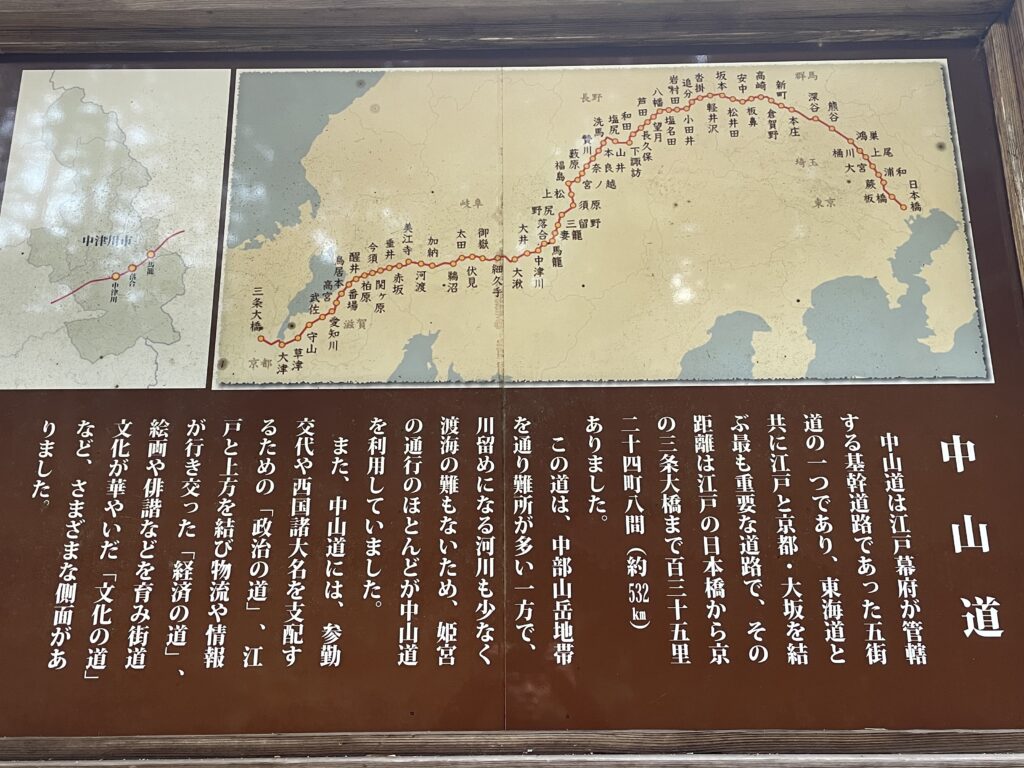
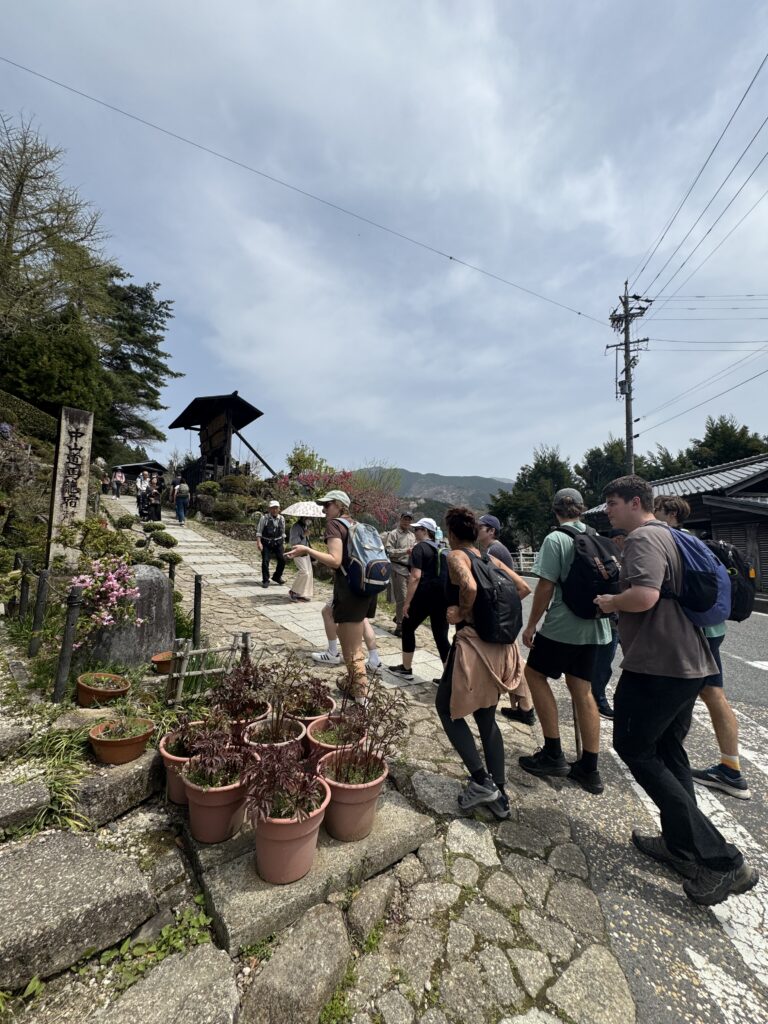
The Nakasendo (literally “central mountain route”) was one of five major roads connecting Edo (modern-day Tokyo) and Kyoto during the Edo period. This historic route, also known as the “Samurai Road,” once bustling with warriors traversing its path, continues to captivate history enthusiasts and adventure seekers today. The hiking route from Magome-juku to Tsumago-juku is specifically known as the “Samurai Trail.” Among its many post towns, Nakatsugawa-juku, located in eastern Gifu Prefecture, stands out as a charming destination and serves as an excellent starting point for exploring the Nakasendo.
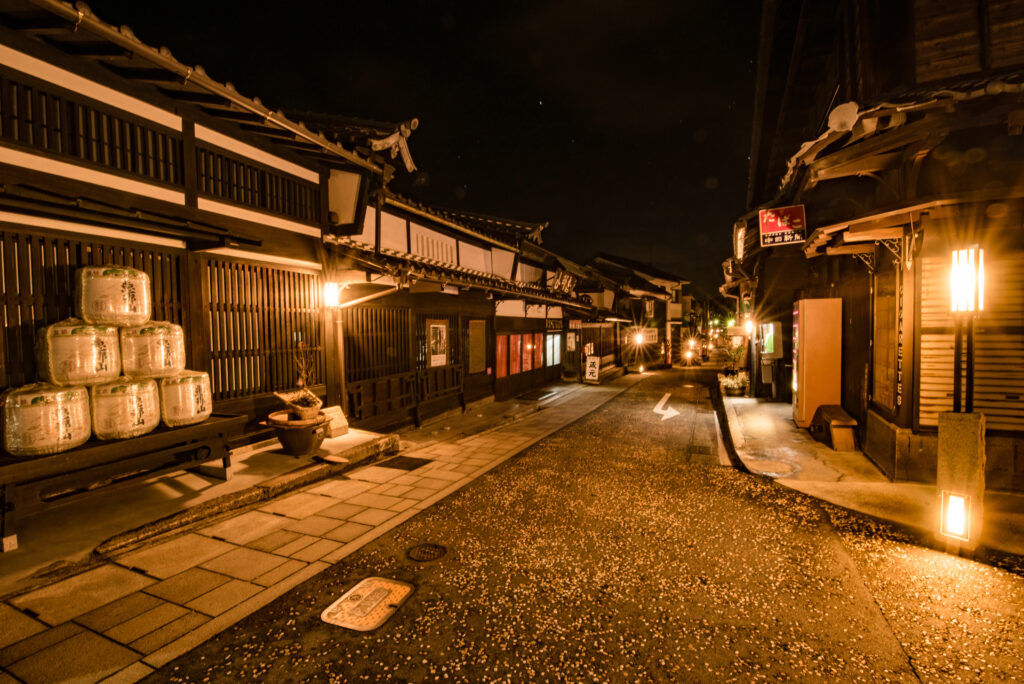
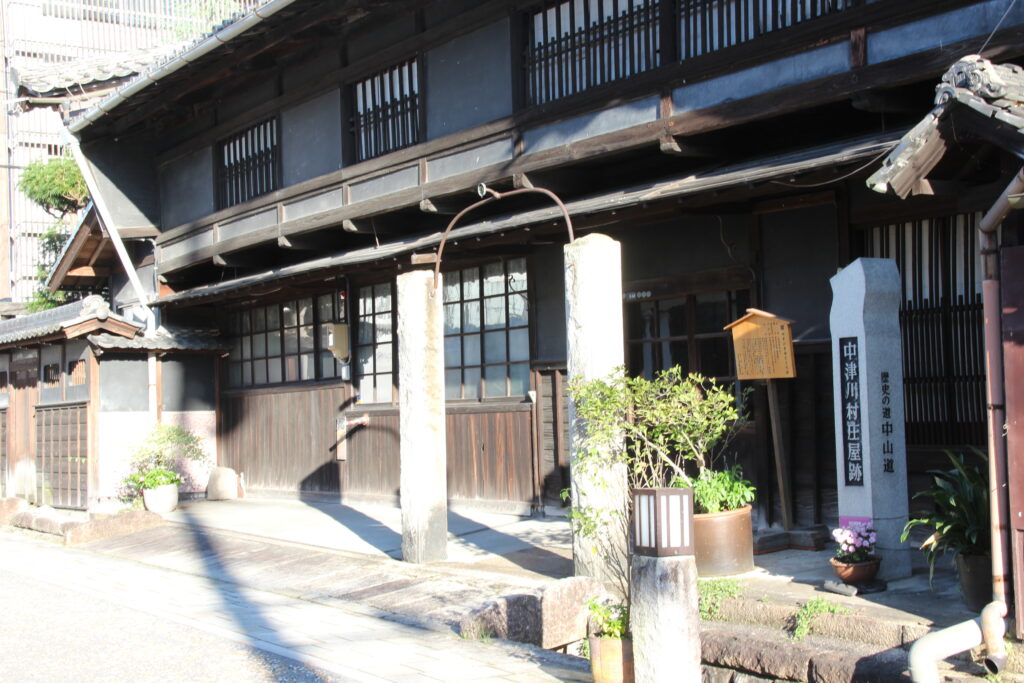
During the Edo period, Nakatsugawa-juku functioned as one of the 44 post towns along the Nakasendo, providing rest and accommodation for travelers. Walking through this town, where traces of the past remain vividly present, you might feel as if you’ve stepped back in time. The cobblestone streets, old merchant houses, and the beautiful natural landscapes surrounding the area offer a quiet escape from the hustle and bustle of modern life.
In this article, we’ll delve into the attractions of Nakatsugawa-juku, where your journey along the Samurai Trail begins. We’ll explore its historical significance, points of interest, and practical information for your visit. Additionally, we’ll introduce unique experiences in this region and a hidden gem ryokan that’s perfect for concluding your journey.
The History and Cultural Background of Nakatsugawa-juku
The Nakasendo as a Samurai Road
The Nakasendo was an inland route that passed through mountainous terrain. Although longer than the coastal Tokaido route, it offered advantages of being cooler in summer and having less snow in winter. This road was particularly important for daimyo (feudal lords) processions during the sankin-kotai (alternate attendance) system, with many samurai traveling this route.
The entire Nakasendo stretched approximately 530 kilometers, with 69 post towns established from Edo to Kyoto. These post towns not only provided food and accommodation for travelers but also functioned as part of the official communication and transportation system. Nakatsugawa-juku occupied an important position, flourishing as a post town at the boundary between the Kiso and Mino regions.
The Birth and Development of Nakatsugawa-juku
Nakatsugawa-juku was officially established in 1601 by order of Tokugawa Ieyasu, the first shogun of the Edo Shogunate. Beyond its role as a post town, it functioned as a distribution hub for timber from the Kiso region and agricultural products from the Mino region, developing commercially as well.
Honjin (inns for nobility) and waki-honjin (secondary inns for high-ranking officials) were located at the center of the post town, accommodating daimyo and court nobles. Additionally, numerous hatago (inns for common travelers) lined the streets, with over 50 accommodation facilities said to have existed during its peak.
Nakatsugawa-juku continued to prosper throughout the Edo period. With the introduction of railways in the Meiji era, its role gradually changed. However, its historical value remains highly regarded today, with many historical sites and traditions preserved.
Nakatsugawa-juku Historical Walking Tour
Walking Nakatsugawa-juku – The Beginning of the Samurai Trail
Recommended Walking Course Nakatsugawa-juku is an ideal starting point for experiencing the Samurai Trail (Nakasendo) on foot. Here, we introduce a half-day course that even beginners can enjoy.
From Nakatsugawa Station to Magome-juku This course starts at modern Nakatsugawa Station, passes through the center of the former Nakatsugawa-juku, and continues to the next post town, Magome-juku. The total distance is about 13 kilometers, taking about 1-2 hours at a leisurely pace.
Course Highlights
Nakatsugawa Station (Start)
Waki-honjin Hayashi Family
Former Honjin Site
Nakasendo Ichirizuka (distance marker)
Ochiai-juku (small post town)
Magome Pass
Magome-juku (Goal)
Practical Information:
Difficulty: Moderate (the climb to Magome Pass is somewhat steep)
Best Season: Spring (April-May) and autumn (October-November)
What to Bring: Comfortable walking shoes, water, light meals, rain gear
Transportation: You can return to Nakatsugawa Station by bus from Magome-juku (several buses per day)
Featured tour Nakatsugawa to Magome One-Day Hiking Tour: A guided tour walking from Nakatsugawa to Magome. Includes commentary on points of interest along the way and lunch. An electric-assist bicycle option is available for those who are not confident in their physical strength.
Seasonal Attractions
Spring (March-May)
In spring, cherry blossoms bloom beautifully in Nakatsugawa-juku. Honmachi Park, in particular, is known as a cherry blossom spot, with the best viewing time from early to mid-April. Also, during the fresh green season, the hiking courses along the Nakasendo are especially beautiful, making trekking while feeling the refreshing breeze highly recommended.
Summer (June-August)
Summer in Nakatsugawa-juku features many traditional festivals. Particularly, the “Oiden Festival” held in August is a magnificent celebration where elaborate portable shrines (mikoshi) parade through the town, making it well worth a visit.
Autumn (September-November)
Autumn might be the most beautiful season in Nakatsugawa. From mid-October to early November, the trees along the Nakasendo turn brilliantly colored, creating spectacular scenery. This season is also the harvest time for chestnuts, allowing you to taste various dishes and Japanese sweets made with fresh chestnuts.
Winter (December-February)
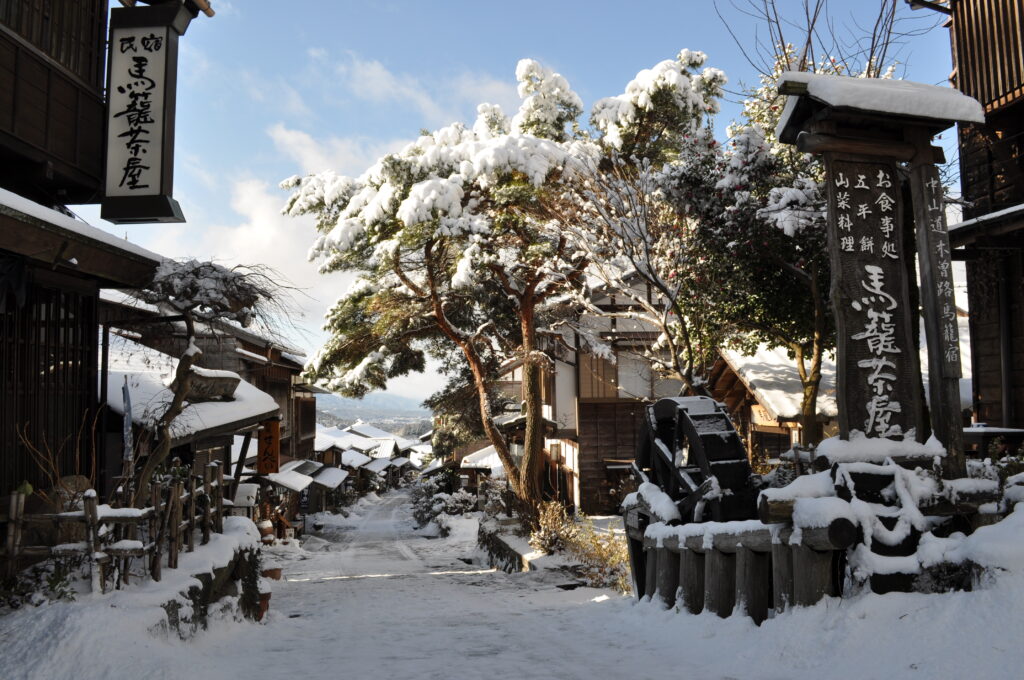
Nakatsugawa-juku in winter is filled with quiet charm. Occasional snow dyes the old townscape white, creating scenery like an Edo-period ukiyo-e. In the cold season, it’s also recommended to enjoy warm local cuisine or warm yourself at nearby hot spring facilities.
Practical Tips and Advice
Here are some practical tips for visiting Nakatsugawa-juku:
Transportation Access: JR Nakatsugawa Station is the nearest station. It takes about 3 hours from Tokyo on the express “Wide View Shinano” and about 1 hour 15 minutes from Nagoya.
Tourist Information Center: There is a tourist information center inside Nakatsugawa Station where you can obtain English pamphlets and maps.
Trip Planning: Consider visiting adjacent post towns like Magome-juku and Tsumago-juku along with Nakatsugawa-juku to experience the charm of the Nakasendo more deeply.
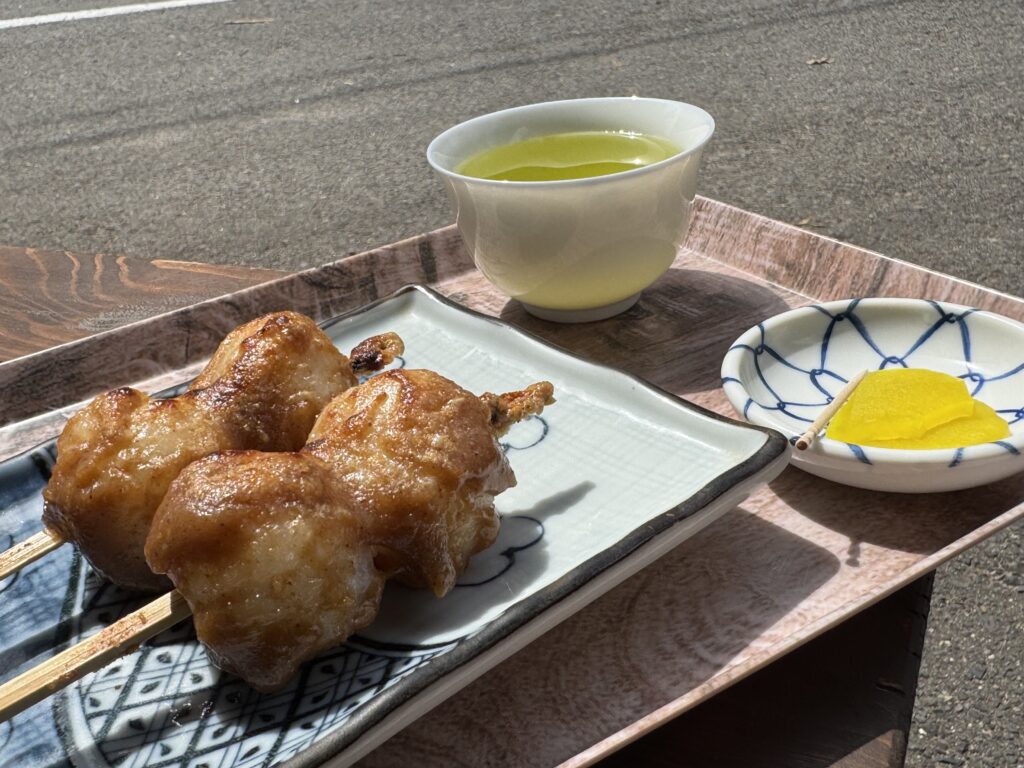
Local Food: Besides the famous kurikinton (candied chestnuts), try local dishes like gohei-mochi (rice cakes) .
Wi-Fi: Free Wi-Fi is available at Nakatsugawa Station and major tourist facilities, but mobile phone signals may be weak in mountainous areas.
A Historic Inn on the Samurai Road
The RYOKAN O – A Hidden Retreat Where You Can Experience the Feeling of Edo-Period Travelers with 120 Years of History
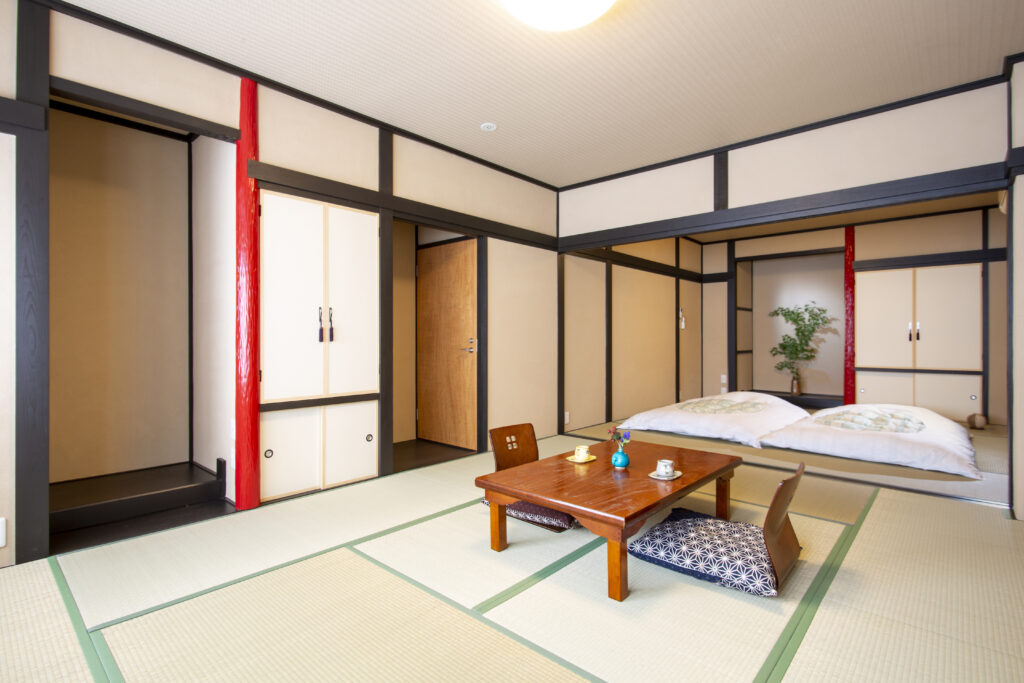
For a special stay in Nakatsugawa-juku, we recommend “The RYOKAN O.” This inn is a renovated traditional ryokan that has been in operation since the Edo period, retaining its traditional Japanese atmosphere while offering modern comforts.
At The RYOKAN O, you can enjoy various experiences beyond just staying overnight. The burgers made with Hida beef, a specialty of Gifu Prefecture, are particularly popular and captivate visitors.
Additionally, you can spend special time away from your busy daily life in a space where modern amenities and traditional hospitality are beautifully harmonized.
Conclusion – Nakatsugawa-juku, Where the Footsteps of Samurai Echo Today
Nakatsugawa-juku is not just a tourist destination, but a place where Japanese history and culture live on. By visiting here, you can walk the path that samurai once walked and see with your own eyes the landscapes that travelers of that time witnessed. The old buildings of the town, the cobblestone streets, and the warm hospitality of the local people will become unforgettable memories of your journey.
Traveling the Nakasendo is a valuable opportunity to escape the busyness of modern life and feel the slow passage of time. And spending the night at a historic inn like The RYOKAN O at the end of that journey becomes a special experience that brings you closer to the feelings of travelers in the Edo period.
Why not take your first step on a historical journey at Nakatsugawa-juku, the gateway to the Samurai Road? Unexpected discoveries and emotions surely await you.












-1024x683.jpg)